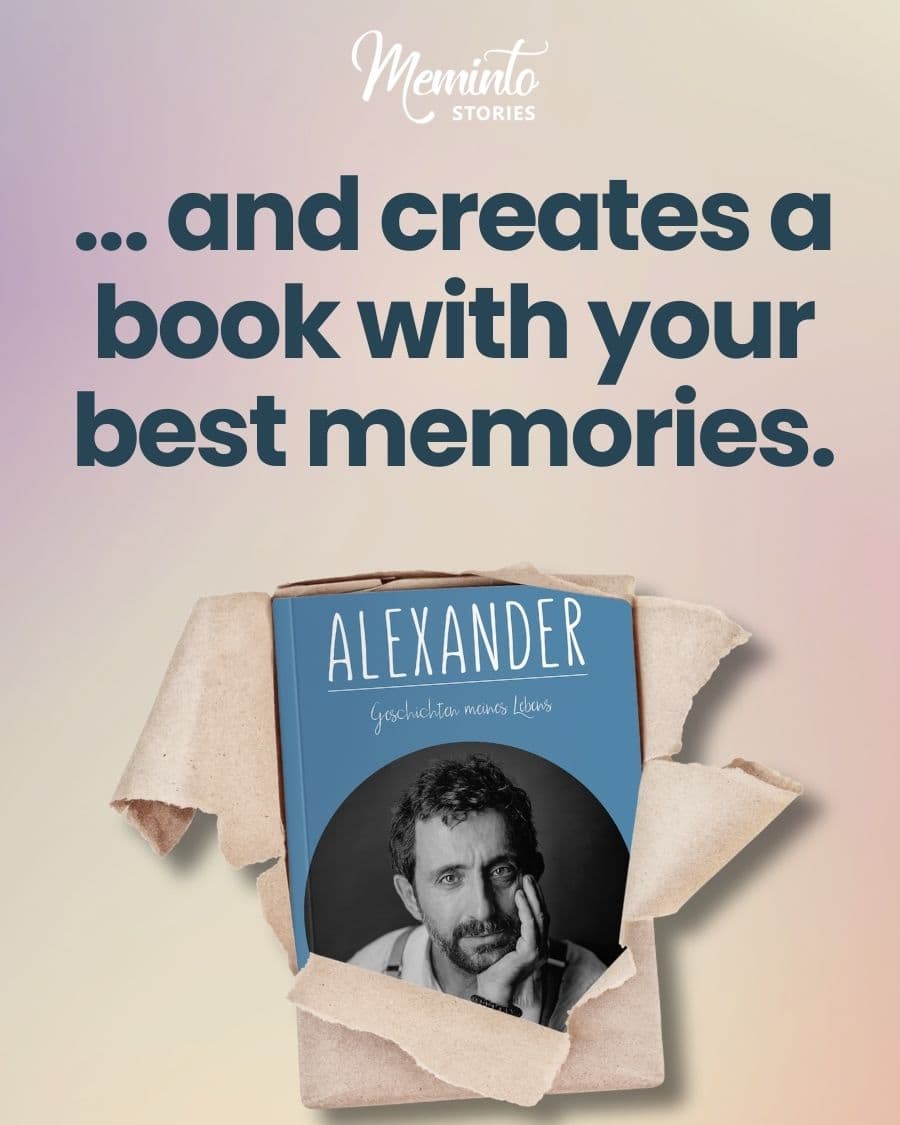




Writing a memoir can feel overwhelming, but AI tools are making the process easier without losing your personal voice. Platforms like Meminto Stories let you record memories through voice, text, or video, then use AI to transcribe, organize, and refine them into a book. Here’s how these tools help:
- Voice-to-Text: Speak your memories instead of typing. AI captures your tone and phrasing for a natural draft.
- Guided Prompts: Specific questions spark vivid memories, like “What did your grandmother’s kitchen smell like?”
- Organizing Memories: AI helps structure scattered memories into chapters, often using themes (e.g., family, career).
- Editing Support: AI fixes grammar and structure while keeping your style intact.
Meminto Stories also simplifies publishing. Your memoir can be formatted into a hardcover book or digital version, with options to include photos and videos. Prices start at $99 for a 100-page book, with free worldwide shipping.
AI doesn’t replace your creativity – it supports you by handling technical tasks, so you can focus on telling your story.
Starting Your Memoir: Collecting and Organizing Memories

A great memoir starts with memories that are thoughtfully captured and well-organized. Digital tools have made this process easier while still keeping the personal touch intact.
Digital Memory Collection Methods
Today’s digital platforms offer flexible ways to record your memories, letting you choose the approach that feels most natural to you.
Speech-to-text technology has changed how many people tackle memoir writing. For some, speaking their memories aloud is far easier than typing. This method captures your unique voice, tone, and emotions in a way that feels authentic. Tools like Meminto Stories allow you to record your memories through voice, text, or even video formats, giving you options to match your comfort level and style.
What’s great about speech-to-text is that it automatically converts your spoken words into written text. This creates a first draft that already reflects your personal style. In fact, studies show that writers using AI-powered tools like these finish their memoirs up to 40% faster than those sticking to traditional methods.
Guided prompts are another powerful feature. These prompts ask specific, evocative questions like, “What did your grandmother’s kitchen smell like on Sunday afternoons?” Such questions are designed to unlock vivid memories you might not recall otherwise.
For those who prefer visuals or multimedia, video recording adds depth and context to your recollections, while text entry remains a reliable option for writers with existing notes or journals. Many users start by uploading Word documents or scanning handwritten notes, then use digital tools to organize them into structured chapters.
Your collection process might include a mix of methods – writing down memories you recall clearly, speaking through others, or even gathering input from family members. Platforms that support multiple formats make it easier to capture your memories in a way that feels true to your experiences.
Once your memories are collected, the focus shifts to organizing them into a cohesive story.
Structuring Memories into Chapters
After gathering your memories, the next step is to shape them into a narrative. Grouping memories by themes rather than sticking to a strict timeline often works best.
Thematic organization can bring your story to life in a way that feels more engaging. Instead of starting with your birth and moving forward year by year, try grouping memories around themes like family, career, personal milestones, or major life events. This lets you connect moments from different periods of your life in meaningful ways.
Digital tools simplify this process with features like drag-and-drop functionality, making it easy to rearrange memories as new connections emerge. For example, a childhood memory might initially fit in a chapter about your early years but later feel more appropriate in a section about life lessons.
Many platforms also offer customizable templates to help you outline your memoir. You might create chapters like “Early Years”, “Finding My Path”, “Love and Loss”, or “Lessons Learned.” These flexible categories provide structure while leaving room for creativity, ensuring your story flows naturally for readers.
To keep your memoir balanced, consider setting word count goals for each chapter. If one chapter feels too long, it might contain multiple themes that could be split into separate sections. On the other hand, very short chapters might need additional details or memories to feel complete.
Collaboration tools can further enhance your memoir. Inviting family or friends to contribute their perspectives on shared experiences can add depth and context. They might remind you of events you’ve forgotten or offer insights that enrich your story.
Don’t worry about perfecting the structure right away. Many memoir writers revise their organization multiple times as they uncover new connections between memories. Digital platforms make this process seamless, allowing you to experiment without losing any content.
Ultimately, your memoir’s structure should highlight your journey without feeling restrictive. Some memories may work best as short anecdotes, while others might deserve an entire chapter. The key is creating a flow that feels genuine and meaningful to both you and your readers. By staying true to your experiences and focusing on the themes that resonate most, your memoir will take shape in a way that captures your unique story.
Using AI for Transcribing and Refining Memories

AI tools are revolutionizing how we transform raw recordings of our memories into polished, engaging narratives. By converting spoken words into text and refining them into stories, these tools make it easier than ever to preserve and share personal experiences.
AI-Powered Speech-to-Text Conversion
With AI transcription technology, you can simply speak your memories aloud, and the tool instantly turns your words into text.
Speech-to-text tools analyze not just your words but also your tone and emotions, ensuring the written text reflects your natural speaking style. For example, Meminto Stories uses advanced AI models designed to pick up on emotional nuances and pacing, resulting in transcriptions that feel true to the way you tell your story.
The process is straightforward: record your memories in a natural, conversational way, and the AI takes care of the rest. This approach is especially effective because spoken memories often capture emotions and details that might not surface in written accounts. The AI works to preserve the flow and essence of your narrative as it processes your audio into text.
That said, no system is perfect. Factors like background noise, accents, or shifts in emotional tone can sometimes lead to errors. Fortunately, most platforms include simple editing tools, allowing you to review and correct any inaccuracies.
One of the biggest advantages of AI transcription is speed. Speaking your memories is generally much faster than typing them out. In just a few minutes, you can capture the essence of complex experiences, making the process of documenting your life far less daunting.
Once your spoken words are transcribed, the next step is turning that raw text into a refined, compelling story.
Refining Transcriptions for Storytelling
Raw transcriptions often need some polishing to transform them into engaging narratives. Spoken language tends to include pauses, repetitions, and informal phrases that don’t always translate well to written prose. AI-assisted editing tools can help bridge this gap while ensuring your story retains its authenticity.
The first step in refinement is improving grammar and structure. AI tools can fix run-on sentences, correct grammatical errors, and suggest better paragraph breaks. But the more advanced platforms go beyond these basics, enhancing the flow and readability of your story.
The challenge lies in keeping the final narrative true to your voice. Your memoir should sound like you, not like a machine. Many AI editing tools offer customizable settings that allow you to choose the tone and style that best suits your story – whether that’s conversational, formal, or somewhere in between.
Even with AI’s help, manual review is crucial. While the technology can handle technical fixes, your personal input ensures your unique voice shines through. This step is especially important for preserving personal expressions, family sayings, or cultural references, which might lose their meaning if replaced with more generic language.
Some platforms also include collaborative features, letting family members or friends review and suggest edits to your transcriptions. They can help catch factual errors, add context, or clarify any confusing sections. This collaborative process not only improves the narrative but also strengthens the connection between you and your loved ones.
The goal isn’t to produce a flawless story right away. Instead, focus on shaping your spoken memories into text that captures both the facts and emotions of your experiences. Through multiple rounds of AI-assisted editing and personal input, you can transform raw transcriptions into meaningful memoir content.
Different memories may call for different approaches. A funny childhood story might benefit from keeping its informal tone, while a reflective piece on life lessons might need a more structured style. With the right settings, AI tools can adapt to these varying needs, helping you create a memoir that’s as diverse and dynamic as your life itself.
Customizing AI for Personal Voice and Style

AI can do more than just streamline the editing process – it can help ensure your memoir feels as personal and unique as the memories it captures. By tailoring AI tools to reflect your voice, you can create a story that’s unmistakably yours while still benefiting from the efficiency these tools offer.
Setting AI Preferences for Consistent Tone
A consistent tone is key to making your memoir feel cohesive and true to your personality. Start by identifying your natural storytelling style. Are you casual and conversational, or do you prefer a more structured, reflective approach? Do you use humor to navigate tough topics, or is your style more direct and emotionally raw?
Meminto Stories allows you to shape your memoir with custom chapters and sections, giving you full control over how your story unfolds. Whether you’re sharing your memories through text, voice, or video, the platform’s AI tools can adapt to match your tone. This ensures your memoir stays true to your voice.
“We do not make any changes to the content of your answers and stories; we only print what you have written.” – Meminto
To keep your voice intact, consider setting tone preferences early. Write a few paragraphs about a meaningful memory in your natural style and use this as a guide when reviewing AI edits. If the suggestions feel too formal or generic, adjust the settings to better reflect your voice. Locking in specific phrases – like family sayings or unique expressions – can also help preserve the personal details that make your story stand out.
Balancing AI Editing with Manual Input
The best memoirs come from a balance between AI’s technical strengths and your personal touch. While AI can handle grammar fixes and structural tweaks, your input ensures the emotional depth and meaning of your story remain intact.
Let the AI handle the mechanics, but make sure the heart of the narrative stays yours. Review every suggestion critically – if an edit feels off or changes your voice, reject it. Your lived experiences should always guide the final version.
A layered editing approach works well: first, let AI handle technical corrections; then, focus on ensuring your voice shines through; finally, read the text aloud to make sure it sounds like you. Meminto Stories also supports collaborative storytelling, so you can invite family and friends to contribute. Their input can add context and enrich the narrative.
Pay close attention to dialogue and personal anecdotes – these are often the most emotionally powerful parts of a memoir. While AI might suggest more polished phrasing, it’s the raw authenticity of how your loved ones actually spoke that will resonate most.
Finalizing and Publishing Your Memoir with AI Tools

Once you’ve poured your memories into your memoir, the final steps turn your work into a polished, shareable book. Thanks to modern AI tools, the publishing process is easier than ever, allowing anyone to create professional-quality memoirs. From formatting to publishing, these tools ensure your story is beautifully preserved.
Formatting and Designing Your Memoir
Formatting is where your raw stories transform into a visually stunning, cohesive book. With Meminto Stories, your content is automatically formatted into a 6×9″ full-color hardcover book. This takes the guesswork out of page layouts, margins, and typography, giving you a polished result without the hassle.
Want to make your memoir more interactive? You can include up to 250 photos and even QR-coded videos, offering readers a richer experience. Whether it’s full-width images or pictures paired with captions, these multimedia elements bring your memories to life. Readers can even scan QR codes to access recorded memories directly from the pages.
The platform also allows for customization. You can reorganize chapters, add personal sections, or tweak prompts to better fit your story. Take Steven from Los Angeles, for example – he used these tools to compile his late brother’s stories and poems, creating 75 books to share with family and friends. These options give your memoir a personal touch, ensuring it’s as unique as the memories it holds.
Once your memoir is beautifully formatted, it’s time to explore publishing options.
Publishing and Sharing Your Memoir
Meminto Stories offers flexible publishing options, both physical and digital. Each memoir comes as a 6×9″ hardcover book, with pricing based on length: $99 for 100 pages, $129 for 200 pages, and $149 for 300 pages – all with free worldwide shipping. Need extra copies? They’re available at $39, $49, and $59, depending on the page count. For those who prefer a digital option, a $39 digital flip book is also available, perfect for sharing your story with loved ones near and far.
This digital format is especially useful for preserving family history across generations. Viktoria from Switzerland used it to create 16 books in German and 7 in English, sharing nearly a century of her family’s history with relatives around the world.
Meminto Stories’ approach ensures your memoir remains deeply personal. Hans and Susanna, for example, created over 50 books to share their legacy of faith and gratitude, demonstrating how these memoirs can strengthen relationships and preserve family values. The competitive pricing and flexible options reflect a commitment to making your story accessible and impactful.
Unlike subscription-based services, Meminto Stories offers a straightforward pricing model, saving you about 50% over two years compared to other platforms. Plus, you get a generous two-year writing period without any ongoing fees, giving you the time and freedom to craft a memoir that truly reflects your vision.
“Sharp, full-color printing, high-quality paper and durable binding.” – Maria, San Francisco
With an excellent 4.6 rating, users frequently praise the technical quality and emotional depth of their completed memoirs. Whether you’re preserving family stories or crafting a personal legacy, these tools make it easier than ever to share your journey with the world.
Conclusion: The Future of AI in Memoir Writing
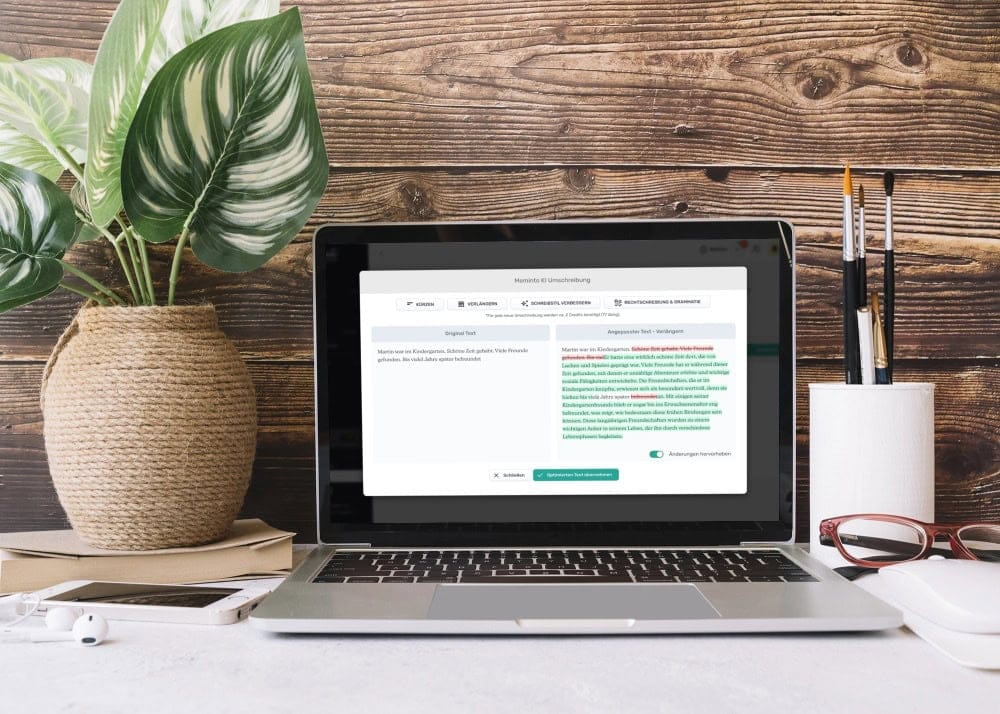
Memoir writing is entering a transformative phase, with AI tools making it easier than ever to share personal stories while keeping them true to the writer’s voice. These advancements help overcome common challenges like writer’s block, transcription hurdles, and formatting issues, blending technology with personal storytelling in a way that feels seamless.
Take platforms like Meminto Stories, for example. They allow users to capture their spoken memories with remarkable precision. As Lynn from Auckland shared, “My recorded answers were transcribed perfectly”, highlighting how AI can streamline the process without sacrificing authenticity. Meminto’s promise to its users is clear: “We do not make any changes to the content of your answers and stories; we only print what you have written”.
For those who’ve felt daunted by the writing process, AI-driven tools now offer a way forward. Voice recordings, guided prompts, and collaborative options make it possible for anyone – even those who don’t consider themselves tech-savvy – to create professional-quality memoirs. Markus from Munich summed it up well: “It was so easy to use, and I am not really tech-savvy…”.
Looking ahead, personalization will play a bigger role in memoir creation. The global market for AI writing assistants is expected to grow by over 25% annually between 2023 and 2028. This growth reflects a shift toward tools that enhance creativity rather than replace it.
New features are also enriching the process. Families can now collaborate on memoirs, combining multiple perspectives to create richer, more comprehensive narratives. Multimedia elements, such as photos and videos, are further bridging the gap between traditional storytelling and modern technology.
The real promise of AI in memoir writing lies in its focus on authenticity. The best platforms don’t aim to automate creativity but instead manage technical aspects like grammar and formatting while preserving the writer’s natural tone and emotional depth. This ensures that memoirs remain deeply personal and unique, not generic products of AI.
As these tools continue to evolve, they’re redefining what’s possible in personal storytelling. By acting as a behind-the-scenes assistant, AI is empowering people to share their life stories with ease and polish, all while staying true to their individual voices. This marks the beginning of a new era in memoir writing – one where technology enhances, rather than overshadows, the art of storytelling.
FAQs
How can AI tools like Meminto Stories help me write a memoir while keeping my unique voice and style?
Meminto Stories offers a seamless way to craft a memoir that genuinely reflects your personality and style. With guided prompts and AI-powered transcription, the platform captures your words and tone effortlessly, whether you choose to share your stories through voice, text, or video.
It also allows you to organize your memoir into chapters and sections that align with your vision. While you maintain full creative control, the AI helps transform your memories into a polished and engaging narrative.
Why is organizing a memoir by themes sometimes better than following a chronological order?
Organizing a memoir around themes can create a more engaging and relatable story by zeroing in on key ideas or experiences that strike a chord with readers. Rather than sticking to a rigid timeline, this method lets you group similar events or emotions, building a narrative around topics like love, resilience, or personal growth.
This structure also offers flexibility, allowing you to spotlight the most meaningful parts of your life without being tied to exact dates or chronological order. It helps maintain your distinct tone and voice, making your memoir feel more intimate and resonant for your audience.
How does the collaboration feature in Meminto Stories make memoir writing more meaningful?
The collaboration feature invites family members and close friends to add their own memories, stories, and perspectives, weaving a rich tapestry of voices and experiences into the memoir. This shared approach not only maintains the personal tone and authenticity but also strengthens the bond among contributors.
By including others, the memoir transforms into a collective masterpiece, preserving moments and details that might have been overlooked. The result is a deeply meaningful and one-of-a-kind keepsake, cherished by future generations.