

Creating a New Year memory book is a simple way to preserve the highlights of your year. It combines photos, stories, and even videos to help you reflect on milestones, everyday moments, and personal growth. Whether you prefer a minimalist design, themed sections, or a mix of physical and digital formats, there’s an approach for everyone. Here’s a quick overview of ideas to get started:
- Minimalist Design: Focus on key moments with simple layouts.
- Thematic Sections: Organize by categories like relationships or travel.
- DIY Style: Add handwritten notes, ticket stubs, or personal mementos.
- Milestone Focus: Highlight achievements, big and small.
- Goal Tracking: Document progress on resolutions with visuals and notes.
- Guided Prompts: Use structured questions to recall meaningful events.
- Collaborative Input: Include contributions from friends or family.
- Gratitude Journal: Record moments of joy and appreciation.
- Hybrid Format: Combine printed pages with QR codes for videos or audio.
- Digital Tools: Use platforms like Meminto Stories for easy creation.
Each method offers a way to turn your experiences into a keepsake that reflects your year. Choose what fits your style and start preserving your memories today!
1. Minimalist Reflections
Keep It Simple with Intentional Content
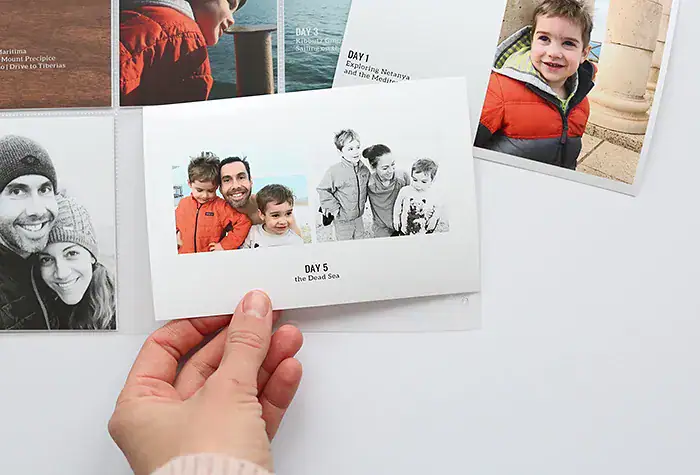
Taking a minimalist approach to your New Year memory book means prioritizing what truly matters. Instead of trying to capture every single event from the past year, focus on the highlights – like a career breakthrough, a family getaway, or a personal goal you achieved. This style leans on clean layouts, plenty of white space, and a simple color palette to create a calm and focused aesthetic. The idea is to let simplicity guide every part of your memory book.
By carefully selecting what to include, each entry becomes more meaningful. A minimalist design doesn’t overwhelm; it allows your stories to take center stage, giving the final product an elegant, timeless feel.
Digital tools make this process easier than ever. For instance, Meminto Stories offers a “Blank Book” option that gives you full control over how your memory book looks and feels, helping you avoid unnecessary clutter while focusing on what’s important.
“Simple and clear user interface with large buttons and clear icons” – Meminto
This approach also encourages you to document your memories in various formats. Whether through voice recordings, text, or video, you can capture your reflections without overcomplicating the design. Opt for one meaningful photo per milestone and pair it with short, heartfelt notes. This simplicity not only makes the project manageable but also ensures you’ll treasure it for years to come.
When adding a personal touch, subtlety is key. Consider using a custom color scheme that reflects your personality, selecting a single impactful cover photo, or including handwritten notes in specific sections. These understated details stand out because they aren’t buried under excessive embellishments.
Minimalist reflections create a solid foundation for exploring other creative ways to preserve your New Year memories.
2. Thematic Organization
Structure Your Year by Life Categories

Instead of organizing your memories chronologically, try grouping them by the different aspects of your life they represent. Think categories like “Personal Growth”, “Relationships”, “Creative Projects”, “Travel Adventures,” or “Career Milestones.” This approach can reveal patterns you might otherwise overlook – like how much joy came from spending time with friends or how you consistently dedicated yourself to a hobby throughout the year. It’s a way to spotlight what truly mattered to you and to dig deeper into the rhythms of your life.
By organizing your memory book thematically, it becomes a mirror of your priorities and values. For example, flipping through a “Relationships” section instantly reminds you of the ways you nurtured connections with loved ones. A “Health & Wellness” theme might bring together snapshots of your fitness journey, new recipes you tried, or moments when you prioritized mental well-being – all in one place, no matter when they happened.
This method also makes your memory book a treasure trove for future reflection. Using the same themes year after year creates a personal archive that lets you track your evolution. Imagine comparing your “Creative Projects” from 2025 to those from 2026 – you might notice growth, recurring interests, or even how challenges in one year shaped your approach the next. These patterns not only tell your story but also pave the way for integrating digital tools to enhance how you preserve and revisit your memories.
For a storytelling approach, you can use the “Family Yearbook” option, which is perfect for themed narratives. Or, if you want more creative freedom, the “Blank Book” option allows you to design custom sections that reflect your unique experiences. As Anita, one user, shared:
“I have captured the stories of our family over the last 12 months. It’s more than just a photo book: you feel gratitude for all the great moments!”
The “Blank Book” option lets you go beyond traditional layouts. You can create sections like “Books I Loved”, “Lessons Learned,” or “Sunday Morning Rituals.” Add your content in whatever format feels right – voice recordings, typed text, videos, or photos that bring each theme to life.
Ultimately, the themes you choose should feel true to your life. They should make it simple to revisit the moments that meant the most to you, creating a memory book that’s as personal as the experiences it captures.
3. DIY Creativity
Handcrafted Memory Books with Personal Touches
Taking a hands-on approach to creating a New Year memory book adds a deeply personal and tangible element to preserving your memories. By crafting your own memory book, you can weave in handwritten notes, ticket stubs from concerts or movies, pressed flowers from special occasions, and photos arranged just the way you like. These details turn a simple collection of memories into a cherished keepsake. In a world dominated by fleeting digital moments, the physical presence of a handmade book offers something truly lasting.
Every page of a DIY memory book can reflect your individual style. You might opt for a leather-bound journal with smooth, high-quality pages or a basic notebook dressed up with washi tape, stickers, and hand-drawn decorations. Adding small pockets can hold mementos like restaurant receipts, handwritten notes, or Polaroid pictures. These personal touches make the book one-of-a-kind, filled with thought and care rather than expense.
For those who want to combine the charm of DIY with a polished finish, a hybrid approach works beautifully. You can collect your reflections, photos, and keepsakes throughout the year, then use a blank book service to bring it all together. For example, in 2025, Gail from New York used Meminto Stories’ “blank book option” to seamlessly blend her handwritten notes and physical mementos with digital content. This allowed her to keep her creative freedom while achieving a professional look. Whether you go entirely handmade or mix DIY with digital tools, your unique voice shines through, making the book a deeply personal reflection of your experiences.
These memory books often become family treasures, capturing moments in a way that feels intimate and timeless. They’re more than just a collection of memories – they’re a tactile expression of your creativity and care, adding depth to your memory-keeping journey.
4. Milestone Chronicles
Documenting Life’s Big and Small Achievements
A milestone-focused memory book is a wonderful way to capture the moments that define your growth and transformation. It goes beyond simple journaling, shining a spotlight on the achievements, transitions, and turning points that shape your story. Whether it’s landing a dream job, conquering a fitness goal, or finally nailing that tricky recipe, these milestones deserve a special place in your memory book.
What makes milestone chronicles so meaningful is their ability to balance the big with the small. Major events like a promotion or graduation might take up an entire page, while quieter triumphs – like a meaningful conversation or a spontaneous adventure – can still hold their own, adding richness and variety. This blend creates a narrative that connects life’s grand moments with the everyday victories that often go unnoticed.
These chronicles can also be tailored to reflect unique personal or family stories. They’re perfect for capturing family milestones, special celebrations, or even shared traditions. This flexibility allows you to shape your memory book around what truly matters to you.
To make your milestone chronicle even more engaging, consider adding interactive elements. Prompts that encourage reflection on why each milestone was significant, along with space for notes, sketches, or even progress photos, can bring your story to life. Before-and-after comparisons or dated journal entries can help illustrate how far you’ve come over time.
If you’re looking for a way to stay organized while still letting your creativity shine, platforms like Meminto Stories offer customizable templates. These tools let you design your book with chapters and sections that align with your experiences, whether you’re working from scattered notes or detailed drafts. Milestone chronicles not only document personal growth but also make thoughtful gifts for birthdays, anniversaries, or other special moments.
Creating one for a child can beautifully capture their development, turning into a keepsake that grows more meaningful with time. A chronicle for a partner or friend, on the other hand, celebrates their accomplishments and shows how much you value their journey.
5. Goal Tracking
Turning Resolutions into Tangible Progress Records

A goal-tracking memory book transforms your resolutions into a meaningful record of progress. Instead of letting your ambitions fizzle out by February, this approach keeps you accountable while celebrating every milestone. It’s a blend of planning and reflection – a roadmap for where you’re headed and a mirror for where you’ve been. This strategy builds on earlier reflective techniques, turning them into actionable steps you can measure.
Start by organizing your goals into categories like career, health, finances, or personal growth. This makes it easier to track your progress and update as you go. Consistency is key, so consider setting up monthly check-in pages to note what’s working, what isn’t, and what adjustments are needed. Simple tools like progress bars or timelines can visually map your journey. Using an undated format adds flexibility, letting you update without feeling pressured by specific deadlines.
Visual elements can make tracking more engaging and help you identify patterns at a glance. Try color-coding your categories – blue for career, green for health, purple for personal growth, and so on. Habit-tracking grids are perfect for daily or weekly goals, where you can mark off each day you stick to a routine. For certain objectives, like fitness or creative projects, before-and-after photos can provide a powerful visual reminder of how far you’ve come.
Take it a step further by converting your tracking notes into a custom hardcover through Meminto Stories. You can design your pages upfront for the entire year or create them in smaller batches, turning your reflections and progress into a professionally bound book that captures your journey.
Leave room for storytelling alongside the metrics. For example, a weight loss goal becomes more memorable when you jot down how you felt after completing your first 5K or the compliment that made your day. A savings goal gains personal significance when you write about why that dream vacation or first home matters to you. These personal notes turn dry numbers into meaningful memories, making your goal-tracking book something you’ll treasure for years to come. By weaving together data and personal stories, this method ties seamlessly into the other memory-making techniques in this book.
6. Guided Storytelling
Using Structured Prompts to Unlock Your Year’s Narrative
Guided storytelling makes reflecting on your year easier and more engaging by using structured prompts to draw out your most meaningful memories. Instead of staring at a blank page, you can respond to carefully crafted questions that guide you through your reflections, turning the process into a thoughtful conversation about your experiences. This approach helps you piece together a clear and cohesive narrative of the past year.
What makes these prompts so effective is their ability to reveal moments you might otherwise forget. Questions like “What was your proudest moment this year?” or “Who made a positive impact on your life?” bring key memories to the surface – whether they’re about personal milestones, relationships, or lessons learned. By addressing areas like achievements, challenges, and future goals, these prompts ensure your story captures the full spectrum of your year, rather than just isolated events.
To make the process even smoother, you can group prompts into categories such as health, career, or relationships. This structured approach not only makes the storytelling feel more manageable but also ensures you create a balanced and complete picture of your year.
Digital tools like Meminto Stories take this concept further by combining technology with guided prompts. Using voice, text, or video, you can record your reflections, and the platform’s AI-powered speech-to-text feature converts spoken thoughts into written content. These prompts help you organize your memories into chapters and sections, ultimately producing a polished hardcover book. As Werner shared about his experience:
“With just one question per week, I was able to record my life story. That was a lot of fun!”
Breaking your memories into smaller, manageable entries is key to creating a seamless narrative. By answering prompts like “What did I learn about myself this year?” or “What memories did I create with loved ones?”, you can reflect on both personal growth and shared experiences. This balance enriches your memory book, making it not just a record of events but a celebration of the journey.
The beauty of guided storytelling is how it transforms scattered moments into a unified story. Your memory book becomes more than just a collection of entries – it evolves into a meaningful account of not only what you experienced but also how those moments shaped who you are today.
7. Collaborative Memories
Inviting Multiple Voices to Shape Your Year’s Story

A collaborative New Year memory book goes beyond personal reflections by weaving together the perspectives of those who shared meaningful moments with you. Instead of relying solely on your own recollections, you can invite family, friends, or colleagues to contribute their memories. Each person’s input brings a unique layer to the story, creating a fuller picture of the year.
To make this collaboration seamless, it’s important to offer flexible ways for people to share. Not everyone is comfortable with writing, so providing options like voice recordings, photos, videos, or even short text entries can make participation more inviting.
Keeping contributions organized is key when working with multiple voices. Assigning themes or time periods – like family celebrations, travel highlights, or seasonal events – helps create a structured narrative. Digital tools can simplify this process, making it easier to collect and manage input from everyone involved.
Platforms such as Meminto Stories make collaboration even simpler. They allow contributors to add memories in various formats, including voice recordings, typed entries, photos, and videos. Guided prompts help participants know what to share, while features like speech-to-text convert spoken words into written stories, making it accessible for those who prefer talking over writing.
The beauty of a collaborative memory book lies in its ability to capture the richness of shared experiences. Your sister might remember a small but special moment from a family trip that you had forgotten, or a friend might recount a conversation that had a deeper impact on them than you realized. Together, these perspectives form a tapestry of stories that reflect the connections and moments that defined your year. It’s not just your story – it’s everyone’s story, brought together in one meaningful collection.
8. Gratitude Focus
Turning Appreciation into a Year-Long Record
A gratitude-focused memory book is a wonderful way to celebrate life’s positive moments. Instead of fixating on setbacks or struggles, this approach encourages you to document the people, experiences, and events that brought joy and meaning to your life. It’s a simple yet powerful way to complement other themes in your memory book while fostering a mindset of appreciation. Over time, this practice creates a lasting record you can revisit whenever you need a reminder of life’s bright spots.
The beauty of this format lies in its simplicity, making it easy to maintain a regular gratitude habit. You can dedicate pages weekly or organize entries by themes such as relationships, personal milestones, small joys, or unexpected surprises. Keeping the design clean and focused allows the reflections to shine. Adding handwritten notes can make the entries feel even more personal and heartfelt.
How you organize your gratitude entries is entirely up to you. Some prefer a chronological layout, documenting moments as they happen throughout the year. Others might group entries by themes, creating sections for specific types of gratitude. The key is to find a structure that feels natural and sustainable for your lifestyle.
As the year winds down, reviewing these gratitude entries often reveals fascinating patterns. You might notice recurring themes – certain people, activities, or experiences that consistently brought you happiness. These insights can be incredibly helpful for setting New Year goals, allowing you to focus on what truly matters. Instead of chasing external expectations, you can align your goals with what genuinely fulfills you.
Platforms like Meminto Stories make it easier than ever to create gratitude-focused memory books. With guided prompts, they help you reflect on meaningful moments and turn them into a cohesive narrative. Anita, who used the platform to document her family’s year, shared:
“I have captured the stories of our family over the last 12 months. It’s more than just a photo book: you feel gratitude for all the great moments!”
To truly capture the richness of your gratitude, mix different types of media. Whether it’s a snapshot of your child’s first steps, a note about a friend’s kind gesture, or a description of a quiet morning that brought you peace, these varied formats help paint a fuller picture of your experiences. With gratitude as your guide, the next idea explores how digital tools can add even more depth to your personal chronicle.
9. Hybrid Functionality
Blending Physical Books with Digital Memories
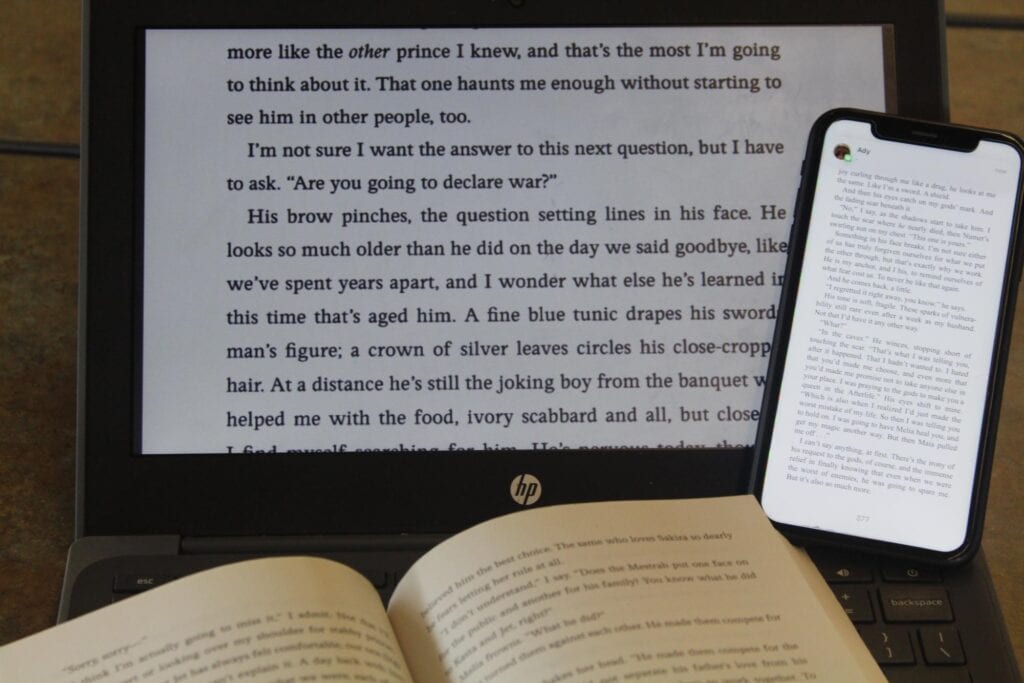
A hybrid memory book brings together the best of both worlds: the tangible charm of a printed keepsake and the dynamic features of digital content. Instead of settling for a traditional photo album or scattered digital files, this approach seamlessly merges the two, offering a richer way to preserve your memories.
Picture this: you’re flipping through your memory book, reading about a New Year’s Eve celebration, and with a quick scan of a QR code, you’re watching a video of the countdown or hearing your child’s laughter from a winter vacation. These digital elements add layers of emotion and context that photos or text alone might not fully capture.
Take Meminto Stories, for instance. Their platform lets you record memories using voice, text, or video and even offers a StoryScribe feature that converts speech into text. What makes it stand out is the option to embed video memories directly into your printed book. This innovation transforms the way you document memories, making it easier to capture moments as they happen. JP & Michelle from South Africa shared their excitement:
“Our favorite feature is that you can add a video memory in your book! How amazing is that!? This truly sets Meminto apart, and that is why we chose to trust them to bind together our special memories so that they will last forever!”
Another user, Verena, highlighted the emotional depth this feature adds:
“Even videos could be loaded into the book. Emotions like when it all happened!”
The platform’s voice recording and speech-to-text tools make it easy to document memories on the spot, eliminating the pressure of staring at a blank page. This spontaneity allows you to capture moments while they’re fresh, ensuring your stories retain their authenticity.
Hybrid functionality also opens up creative possibilities for your New Year memory book. You could include a heartfelt video message to your future self, record family members sharing their favorite moments, or even capture the sounds of a celebration. This blend of physical and digital ensures your memories stay vivid and meaningful, no matter how much time goes by.
10. Digital Integration
Simplifying Your Memory Book Creation with Technology
These days, putting together a New Year memory book has never been easier, thanks to digital tools. They take the hassle out of the process, allowing you to focus on preserving your stories and highlights from the past year. With these tools, you can effortlessly capture your memories and present them in a polished, professional way.
Voice-to-Text Tools for Quick and Easy Storytelling
Voice-to-text technology makes recording your memories as simple as talking. Instead of staring at a blank page, you can just speak your thoughts, and they’ll be transcribed automatically. This method not only saves time but also helps preserve the genuine tone of your reflections without the pressure of formal writing.
Platforms like Meminto Stories take this concept to the next level with their StoryScribe tool. This feature turns your spoken words into formatted text, ready for your memory book. Plus, it provides prompts to help guide your thoughts, so even if you’re unsure where to start, you can structure your reflections around meaningful themes.
This technology is especially helpful for people who find it hard to carve out time for traditional journaling. Reiner, a user of the platform, shared his experience:
“I wrote the whole book on my smartphone and am amazed at how well it worked despite the small display.”
With its mobile-friendly design, you can jot down memories during a commute, while waiting in line, or whenever inspiration strikes. It’s a convenient way to capture moments as they happen.
Turning Digital Creations into Physical Keepsakes
Digital tools don’t just make creating your memory book easier – they also make it simple to turn your work into a lasting keepsake. You can edit, reorganize, and perfect your book digitally, then have it printed as a professionally bound hardcover. This way, your memories become something you can hold in your hands and pass down through generations.
If you’ve already been jotting down digital notes throughout the year, you can quickly compile them into a cohesive book. Just copy, paste, add photos or videos, and voilà – a polished memory book ready for print.
Meminto Stories offers customizable books starting at $99, with the option to expand for a more detailed collection. Each purchase includes a digital flipbook version, so you’ll have both physical and digital formats of your memories. This seamless transition from screen to print ties into the broader theme of making memory-keeping more accessible and meaningful.
The platform also supports collaborative creation, letting family members contribute their own perspectives and recollections. This transforms your memory book into a shared family project, capturing different viewpoints of the same celebrations and events from the year. It’s not just a book – it’s a collective story.
Conclusion
Putting together a New Year memory book is a deeply personal project, and there’s no single way to do it right. The ten ideas we’ve covered offer a range of options – from simple, reflective designs to more detailed digital formats. At the heart of it all is one key idea: your memories deserve to be captured in a way that feels personal and meaningful to you.
Some people enjoy the hands-on satisfaction of crafting something from scratch, while others lean toward structured templates or the ease of voice-to-text tools for jotting down thoughts on the go. Your memory book can take many forms – it could be a goal tracker, a themed collection, or even a combination of a planner and journal that keeps you inspired throughout the year.
The beauty of this project lies in its flexibility. You might start with one method and adapt it over time, or even turn it into a family activity, inviting everyone to contribute their own perspectives. What begins as a personal reflection can grow into a shared family keepsake.
The important part is to start. Whether you pick up a blank notebook from a nearby store or use a service like Meminto Stories with guided prompts and professional printing, preserving your memories is what truly matters. The ordinary and extraordinary moments of your life come together to tell your story, and documenting them now means you’ll have something priceless to look back on in the future.
Think about what fits best with your lifestyle and creative style. Your memory book doesn’t need to be flawless – it just needs to reflect you. Start small if that feels manageable, even if it’s just one quick note about today. Over time, these small entries will grow into a collection of moments you can hold onto and pass down, turning the everyday into something timeless.
FAQs
How do I choose the right format for my New Year memory book to match my style and goals?
Choosing the right format for your New Year memory book comes down to what suits your style and the memories you want to preserve. Start by deciding between a classic hardcover book or a digital version. A hardcover book offers a tangible, long-lasting keepsake, while a digital format gives you the freedom to make updates and share it easily.
Next, consider the layout and theme. Would you prefer a chronological timeline, themed sections like “family”, “travel”, or “milestones”, or a more flexible, freeform approach? You can also add a personal touch by including photos, handwritten notes, or other multimedia elements.
If you’re unsure where to start, platforms like Meminto Stories can guide you with prompts and customizable templates, making it easier to create a memory book that truly reflects your story.
How can I combine physical and digital elements in my memory book?
To bring together the physical and digital worlds in your memory book, try adding QR codes that lead to personal videos, audio clips, or online photo albums. Pair these digital links with printed screenshots or stills from your favorite videos, accompanied by your written reflections. For an extra personal touch, include physical keepsakes like ticket stubs, pressed flowers, or other small mementos. This combination of digital and tangible elements creates a rich, interactive experience that’s both meaningful and memorable.
How can I get friends and family involved in creating a collaborative memory book, and what’s the best way to organize their contributions?
To bring friends and family into the creation of a memory book, start by explaining the idea in a way that sparks their interest. Share the purpose behind the project, the theme you have in mind, and offer prompts to guide their contributions – things like favorite memories, cherished photos, or meaningful quotes. Make it simple for them to participate by giving them multiple options to share their input, whether it’s through email, text, or even voice recordings.
Keep things organized by setting up a clear structure for the book. You could divide it into sections based on themes like holidays, milestones, or fun moments. Using a shared document or an online platform can help you collect and manage submissions all in one place. This way, everyone’s contributions are accounted for, and the process stays smooth and enjoyable for the whole group.