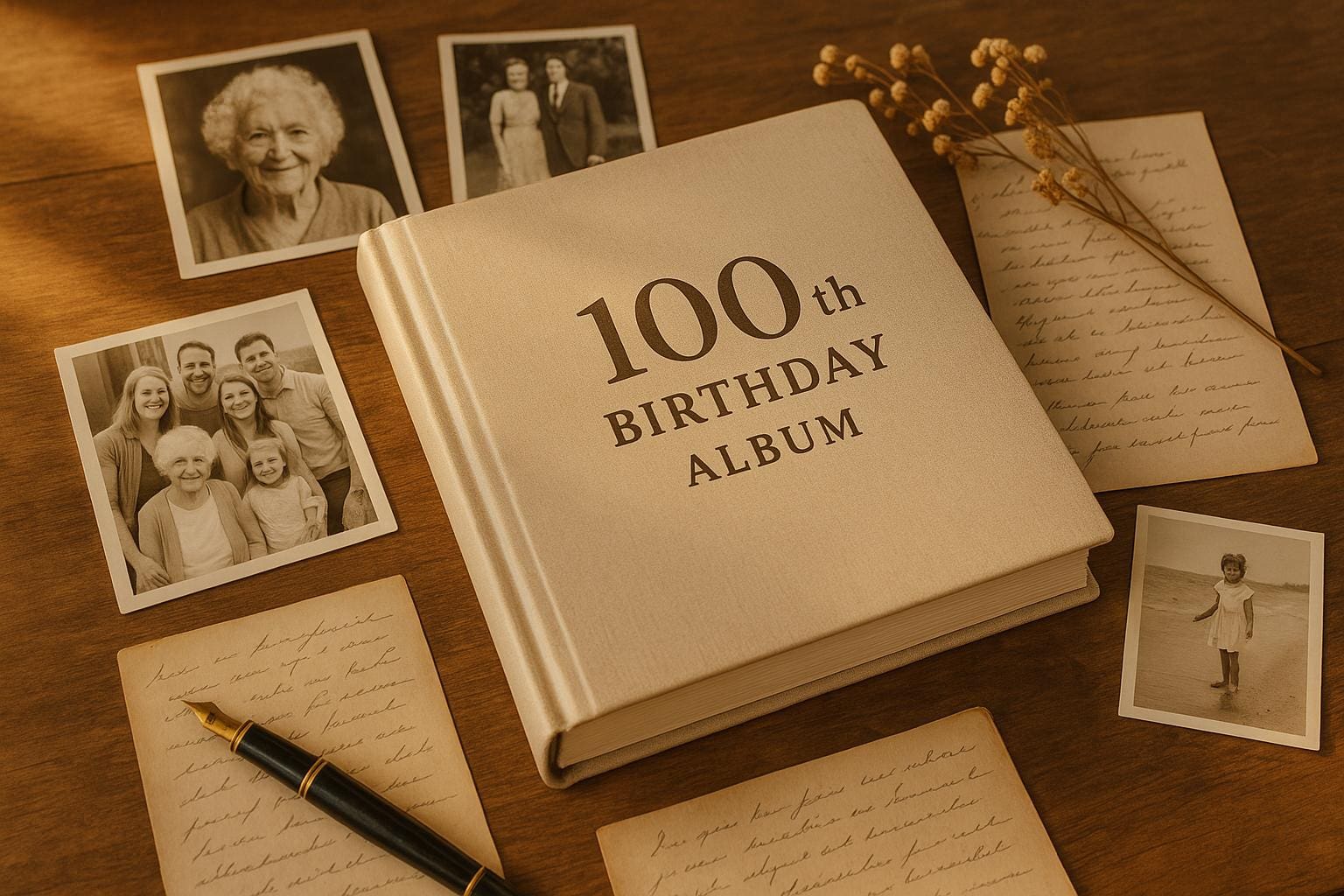


Creating a 100th birthday album is a meaningful way to celebrate a century of life. These albums go beyond photos – they preserve memories, stories, and milestones, becoming family treasures. Here’s how you can create one:
- Plan Early: Start 3–6 months before the celebration. Identify contributors, gather photos, and collect memorabilia like letters or awards.
- Organize Effectively: Use folders and spreadsheets to sort content by decade or life stage. Digitize materials with high-quality scanners.
- Design Thoughtfully: Choose a format (e.g., hardcover book) and theme that reflects the honoree’s life. Arrange content chronologically or by theme.
- Incorporate Multimedia: Add video messages or audio recordings using QR codes for a modern touch.
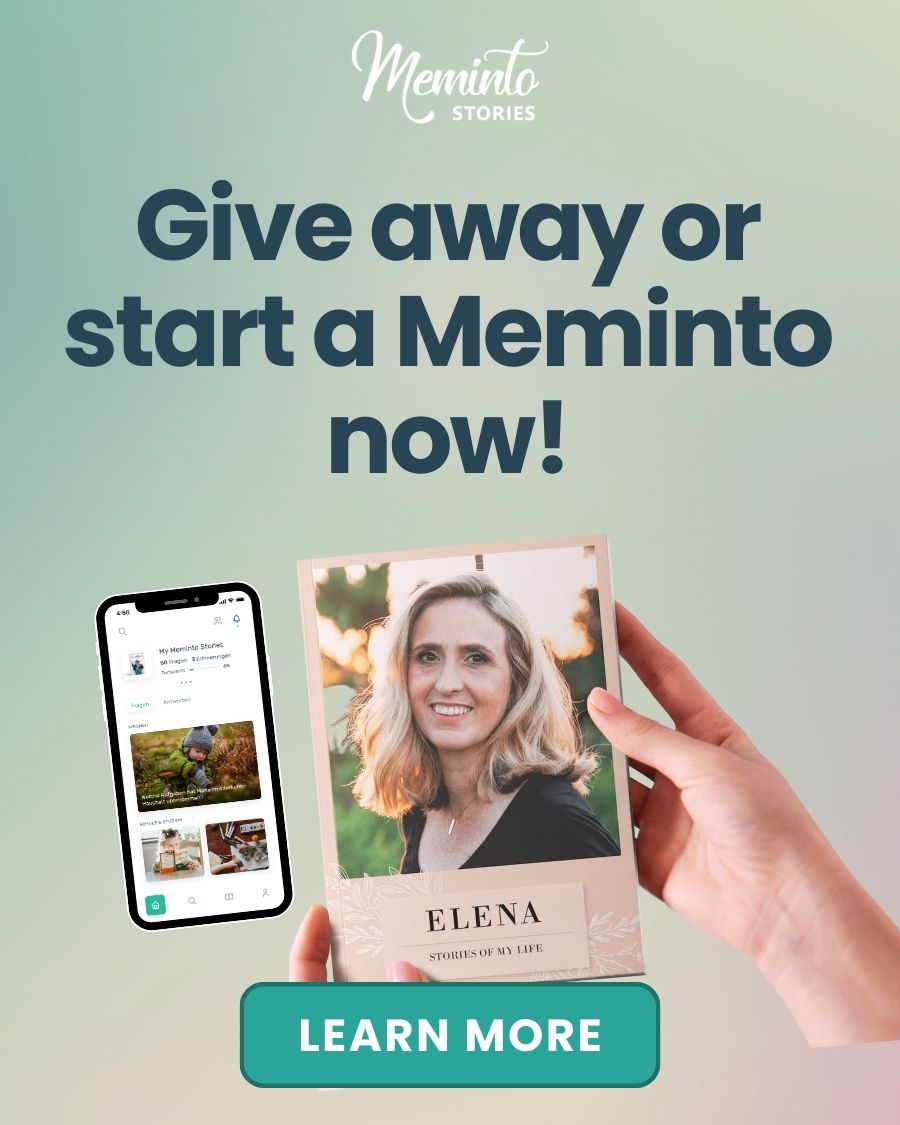
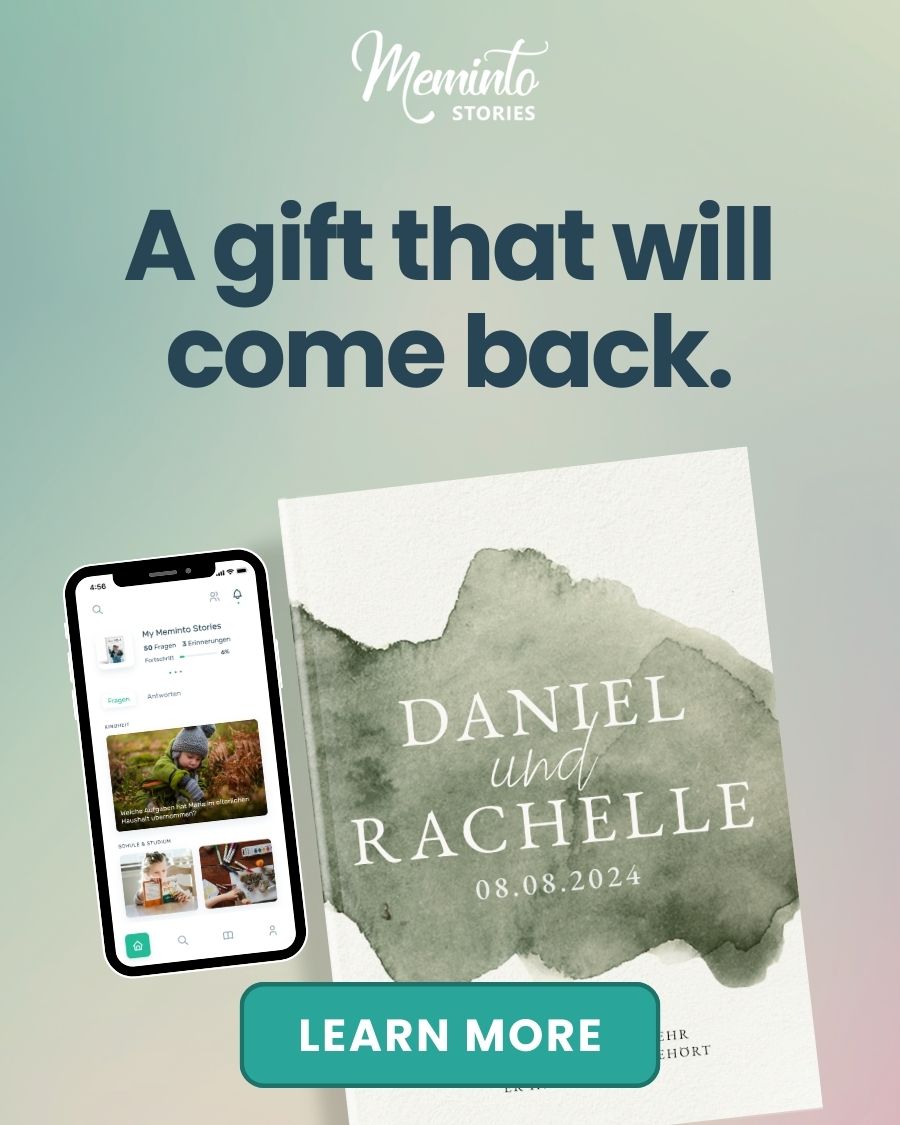
- Use Tools: Platforms like Meminto Stories simplify collaboration, offering prompts, transcription, and multimedia integration.
Final Steps: Print the album with durable materials, present it during the celebration, and store it properly for future generations. A 100th birthday album is more than a gift – it’s a legacy that connects the past, present, and future.
Planning and Gathering Content

Celebrating a 100-year journey is no small feat, and creating a meaningful birthday album requires careful planning and early preparation. This process is all about assembling heartfelt contributions that serve as the foundation of the album. With over 70% of milestone albums being collaborative efforts involving family and friends, this truly becomes a labor of love.
Finding Key Contributors
The most impactful albums are those that feature contributions from people who have shared the honoree’s life journey. Immediate family, close friends, and community members can provide unique perspectives that bring the honoree’s story to life.
Start by compiling a list of contributors. This might include siblings, children, grandchildren, and lifelong friends who can share stories from different chapters of the honoree’s life – childhood adventures, family milestones, career highlights, and more. Don’t forget to reach out to neighbors, former coworkers, or members of social or religious groups who may offer special insights.
When reaching out, make it personal. Let each person know why their contribution matters. For instance, you might tell a former colleague how their reflections on the honoree’s professional life would add depth to the album. Or ask a longtime friend to recount a cherished memory from their decades of friendship.
Offer contributors multiple ways to participate. Some may prefer writing a heartfelt letter, while others might opt to share a favorite photo or record a video message. For older relatives or those less comfortable with technology, consider helping them with the process or conducting phone interviews.
Keep everyone on the same page with updates about deadlines and progress. Use tools like group emails, texts, or social media to communicate. For larger projects, platforms like Trello or Asana can help you track submissions and ensure nothing falls through the cracks.
Collecting Photos and Memorabilia
Photos and keepsakes are the heart of any 100th birthday album. Since users often include dozens or even hundreds of images in milestone albums, it’s important to stay organized from the start.
Gather key materials that represent different life stages: childhood photos, wedding pictures, career accomplishments, family gatherings, and personal letters. Don’t overlook items like military service records, newspaper clippings, awards, or even handwritten recipes that highlight the honoree’s personality and achievements.
To preserve these memories, digitize everything using a high-resolution scanner (at least 300 dpi). For fragile or valuable items, professional scanning services can ensure safe handling. Save files in formats like JPEG or TIFF for the best quality and compatibility with album platforms.
Organize digital files with clear naming conventions (e.g., “LastName_FirstName_Event_Year.jpg”) and sort them into folders labeled by decade or life stage, such as “1920s–1930s Childhood” or “1960s–1970s Family Years.” A spreadsheet can help track details like dates, contributors, and descriptions, ensuring no item is overlooked.
Shared digital folders (via Google Drive, Dropbox, etc.) make it easy for contributors to upload materials. Clear instructions on file naming and folder organization will save time later. Back up all files in multiple locations, such as an external hard drive and cloud storage, to keep these memories safe.
Creating a Timeline for Contributions
A well-planned timeline ensures a stress-free process and a polished album. Experts recommend starting 3–6 months before the big day to allow enough time for all phases of the project.
Break the timeline into manageable steps. Begin outreach about three months before the event, giving contributors time to gather materials and craft meaningful tributes. For example, if the celebration is in April, start reaching out in January, follow up in February, and close submissions by early March. This schedule allows for a buffer to handle any late contributions.
Dedicate the first month to identifying contributors and explaining the project. Allow 2–3 months for collecting stories and photos, giving participants time to dig through their archives. Reserve the final month for sorting, reviewing, and organizing submissions, as well as designing and proofreading the album. Plan for 2–4 weeks for final production and printing.
Unexpected delays are common – whether it’s contributors needing extra time or technical hiccups during file uploads – so build in some flexibility. Regular updates and personal invitations can increase participation rates. Platforms like Meminto Stories, which allow users to work on a project for up to two years with optional extensions, can be a helpful option for gathering memories at a more relaxed pace.
Send gentle reminders every couple of weeks to keep the momentum going. Share what’s been received so far and highlight what’s still needed. While deadlines are important, be open to accepting late contributions if they add something truly meaningful.
Once all materials are gathered, you’ll be ready to move on to designing and structuring the album.
Designing and Structuring the Album
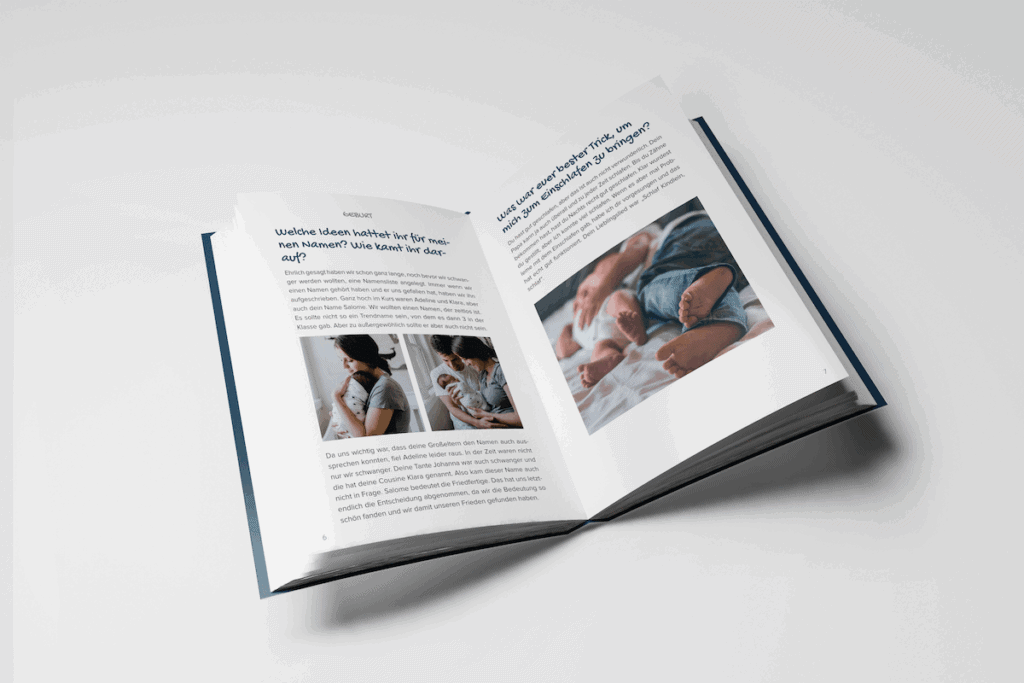
Now that you’ve gathered all your photos and stories, it’s time to bring everything together into a beautifully crafted album. This is where your efforts pay off, resulting in a heartfelt keepsake that will be cherished for generations. The goal? To create a narrative-driven album that honors a century of life and tells a story worth revisiting.
Picking the Right Format and Theme
The format you choose lays the groundwork for your album. Hardcover photo books are a popular choice – they’re durable and have a polished, professional feel. An 8.5×11 inch size strikes a nice balance between being visually impressive and easy to handle.
When it comes to themes, think about what defines the honoree’s life journey. Some timeless themes include “A Century of Memories”, “Life Through the Decades”, or “Family Legacy.” If travel was a big part of their life, consider weaving in vintage maps or passport-style elements. For someone whose life revolved around family, focusing on generational ties and family trees can be especially meaningful.
Your design choices – like color schemes and decorative touches – should reflect the chosen theme. For instance, earth tones and vintage-style fonts might resonate with someone who lived through the Great Depression, while bold colors and modern layouts could capture the spirit of someone with a vibrant personality. Whatever you decide, keep the design consistent throughout the album for a polished look.
If your family is spread across different states, digital albums can be a great option. They’re easy to share and allow for interactive elements like videos or audio clips. However, for a milestone like a 100th birthday, many still prefer the tactile quality of a physical book – it’s something you can hold, flip through, and treasure.
Building a Clear Layout
A well-organized album doesn’t just display photos – it tells a story. Structuring the album chronologically by decade is a natural way to show the progression of a long, full life. Begin with an introduction or dedication page, then divide the album into sections like “Early Years (1920s–1930s)”, “Starting a Family (1940s–1950s)”, and “Golden Years (1990s–2020s).”
Each section can start with a title page that highlights key events from that era. You might include historical context – like the Great Depression, World War II, or the moon landing – alongside personal milestones such as weddings, graduations, or career highlights. For someone with a rich career or significant community involvement, you could mix chronological and thematic sections, adding chapters for “Military Service”, “Professional Achievements”, or “Community Leadership.”
To make the album easy to navigate, use consistent headings and page numbers. Stick to one font family, but play with size and weight to create a clear visual hierarchy. A clean, logical layout not only makes the album more readable but also sets the stage for incorporating multimedia elements seamlessly.
Adding Photos and Multimedia
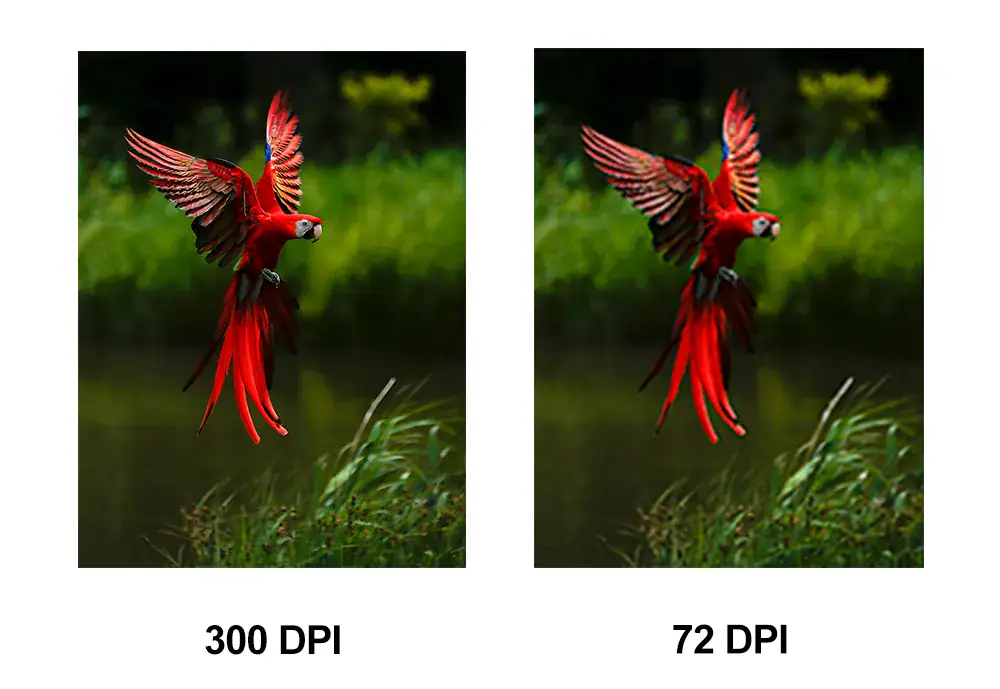
The placement of photos can make or break your album’s overall impact. Use high-resolution images (300 dpi or higher) to ensure crisp, clear prints. Mix formal portraits with candid shots to capture both special moments and everyday memories.
Modern design platforms offer flexible layouts, letting you experiment with full-width images for dramatic effect or side-by-side comparisons for storytelling. For example, a full-page wedding photo could be paired with a recent anniversary picture to illustrate the enduring power of love. Don’t forget captions – they add context and transform photos into meaningful memories.
Including scanned memorabilia can also add depth. Items like military papers, newspaper clippings, handwritten letters, or even recipe cards bring stories to life in a way that photos alone can’t.
For a modern twist, consider incorporating multimedia elements. Platforms like Meminto Stories allow you to embed QR codes that link to audio messages or video tributes. Guests can simply scan a code with their smartphone to access these digital memories.
“So much more than just a photo book. Through the questions, beautiful old memories come up again. Even videos could be loaded into the book. Emotions like when it all happened!” – Verena
This combination of traditional printed media and digital interactivity creates an album that appeals to all generations. Older family members will appreciate the tactile nature of a physical book, while younger relatives will enjoy the added multimedia features.
With these thoughtful design elements in place, your album becomes a heartfelt celebration of a life well-lived – setting the stage for even more advanced storytelling tools in the next steps.
Using Meminto Stories for Your Album
Once your album design is ready, the next step is finding a tool that makes gathering and organizing stories simple and efficient. Meminto Stories is one such platform, designed to help you create milestone albums without the usual hassle. With your album’s framework in place, Meminto Stories allows you to gather and piece together memories with ease.
Instead of juggling endless email threads or coordinating in-person meetings, Meminto provides a centralized space where contributors can share their stories at their own convenience. This streamlined approach naturally leads to assembling a cohesive and personalized narrative for your album.
Key Features for Storytelling and Collaboration
Meminto Stories stands out with its guided prompts and user-friendly collaboration tools, making it easy for contributors of all ages to participate. The platform offers targeted prompts designed to spark meaningful memories, ensuring no detail is overlooked.
For older relatives who may not be comfortable typing, Meminto includes an AI-powered speech-to-text feature. They can simply speak their memories, and the platform will transcribe their words into polished text.
“My recorded answers were transcribed perfectly.” – Lynn, Auckland
Multiple family members can contribute simultaneously, whether by adding stories, photos, or even audio recordings. The platform supports a variety of input methods – text, voice messages, video clips, or uploaded documents – so everyone can share in the way that suits them best. This flexibility makes collaboration seamless and inclusive.
Customization Options
Once all the contributions are in, you can customize the album to truly reflect the honoree’s life and personality. Meminto Stories goes beyond standard templates, offering the freedom to create chapters and sections tailored to the celebrant’s unique journey.
For instance, if the honoree spent decades as a teacher, you could include chapters like “Classroom Memories” or “Student Stories” alongside more traditional sections. The platform’s flexibility allows you to move beyond chronological layouts and focus on themes that resonate with the honoree’s life.
Customization extends to the album’s appearance as well. You can choose from a range of cover designs, font styles, and color schemes. Add a personal touch with a meaningful photo or a heartfelt message on the cover. Inside, you can arrange photos, text, and even multimedia elements to bring the stories to life. If you already have content in Word documents or other formats, Meminto makes it easy to import and integrate them into your project.
Multimedia and Digital Options
To make your album even more engaging, Meminto Stories supports multimedia integration. Videos, audio recordings, and photos can be seamlessly included alongside traditional text content, creating a richer and more immersive experience.
For printed albums, multimedia elements are accessible through QR codes. Guests can scan these codes with their smartphones to watch video tributes, hear the honoree’s voice, or listen to recorded messages from loved ones. If you prefer a fully digital option, Meminto offers a flipbook version for $39, where multimedia elements are directly embedded for easy sharing with family and friends around the world.
Audio recordings are particularly impactful for milestone albums. Family members can leave heartfelt messages, and the honoree can share their personal stories in their own voice.
“We started a Meminto when my mother was still alive and we made a lot of audio recordings. Now I listen to it from the book every time I miss her.” – Barbara
This thoughtful multimedia integration ensures the album appeals to all generations. Older relatives can enjoy the tactile charm of a printed book, while younger family members appreciate the interactive digital elements. With these tools, Meminto Stories transforms the process of creating a centennial album into a collaborative and meaningful experience. It captures not just images and text, but the voices and emotions that make each story special.
Printing, Presenting, and Preserving the Album
The final steps in creating your centennial album involve top-notch printing, a memorable presentation, and careful preservation. These finishing touches turn your digital project into a keepsake that your family will treasure for generations.
Choosing Quality Printing Options
A well-printed, hardcover album not only looks stunning but is also built to stand the test of time. When selecting printing options, prioritize materials that can handle years of handling and display without losing their charm.
Meminto Stories provides full-color hardcover albums in a 6×9-inch format, with pricing based on page count: 100 pages for $99, 200 pages for $129, and 300 pages for $149. Additional copies are available at reduced rates.
“Sharp, full-color printing, high-quality paper and durable binding.” – Maria, San Francisco
For durability, choose archival-quality, acid-free paper paired with UV-protected covers and layflat binding. These features keep colors vivid and pages intact over time. Also, opt for printing services that offer secure packaging and clear instructions for safe handling during shipping. Spending a bit more on premium materials now ensures your album remains a vibrant centerpiece at family gatherings for decades to come.
Once you’ve secured a beautifully printed album, it’s time to think about how to unveil it during the celebration.
Presenting the Album at the Celebration

Revealing the 100th birthday album can be a heartfelt moment that stands out during the celebration. Plan the presentation for a quiet time – perhaps after the main festivities but before guests begin leaving – so the honoree can enjoy the experience fully.
One standout feature is the inclusion of QR codes throughout the album. These codes link directly to video messages and audio recordings, allowing guests to relive digital memories instantly during the event.
“Our favorite feature is that you can add a video memory in your book! How amazing is that!? This truly sets Meminto apart, and that is why we chose to trust them to bind together our special memories so that they will last forever!” – JP & Michelle, Meminto Users
Create a small viewing area where the honoree and guests can flip through the album. Provide smartphones or tablets for scanning QR codes, and consider setting up a larger screen for group viewings. To make the album even more special, invite guests to sign it or leave personal messages. These small touches transform the album into a living, interactive record of the celebration.
Once the festivities are over, the focus shifts to preserving this treasure for future generations.
Preservation Tips for Future Generations
Proper care ensures your 100th birthday album remains a cherished heirloom. Both physical and digital preservation play key roles in keeping it safe.
Store the album in a climate-controlled space, ideally between 68–72°F with 30–50% relative humidity. Avoid areas with extreme temperature changes or high moisture levels, and keep the album out of direct sunlight to prevent fading.
Handle the album with clean hands, and always support the spine when opening it. For extra protection, consider using a slipcase or storage box, particularly if the album features delicate embellishments.
Digital preservation adds another layer of security. Meminto Stories offers a digital flip book option for $39, allowing you to share the album with family members who might not have access to the physical copy.
“I am extremely happy that I was able to preserve my late brother’s stories and poems with Meminto before they are forgotten.” – Steven, LA
To ensure longevity, create multiple digital backups on external hard drives, cloud storage, or both. You can also print additional copies for key family members. Digital versions make it easy to share memories via email or secure online platforms, ensuring your stories reach future generations.
Conclusion and Final Thoughts
A 100th birthday album is more than just a collection of photos – it’s a celebration of a century of memories, relationships, and achievements. It weaves together moments from the past, creating a keepsake that bridges generations and honors an extraordinary milestone. From planning to preserving, every step in the process is an opportunity to pay tribute to a life well-lived.
Key Takeaways
To craft a meaningful album, start by gathering contributions from as many family members as possible. This ensures a rich and diverse narrative. A well-thought-out design, whether chronological or thematic, helps tie together decades of memories into a unified story. Including photos, written stories, and multimedia elements like voice recordings or videos can transform the album into something far more dynamic than a traditional photo book.
Modern tools like Meminto Stories make this process easier than ever. With features like guided prompts, AI transcription, and collaboration tools, creating a professional-quality album is accessible for everyone. Starting at $99 for a 100-page hardcover book, families can produce a lasting heirloom without stretching their budget.
Investing in high-quality materials ensures the album becomes a cherished keepsake that can be passed down for generations.
Next Steps
Ready to get started? Here are some practical tips to begin your project:
- Start Early: Aim to begin 3–4 months before the celebration. This timeline gives everyone ample time to contribute their stories, photos, and memories.
- Engage All Generations: Invite family members of all ages to participate. Grandchildren and great-grandchildren often bring fresh perspectives that add depth and color to the narrative.
- Explore Meminto Stories: Their platform provides an intuitive way to structure your album. Start with their free mini-book option to test the service before committing to the full project. The “Your Life Story” template is an excellent starting point for capturing the journey of a centenarian.
- Leverage Multimedia Features: Use the platform’s tools to include voice recordings, video messages, and digital photos. These elements bring stories to life in ways that words and pictures alone cannot.
- Take Your Time: Meminto Stories allows up to two years for editing and refining your book. Use this flexibility to perfect the details and add new memories as they come to light.
The most important thing is to take that first step. Memories fade, and opportunities to hear stories firsthand won’t last forever. By starting your 100th birthday album today, you’re not just creating a gift – you’re safeguarding a legacy that will connect your family for generations to come.

FAQs
How can I include family members who live far away in creating a 100th birthday album?
You can invite family members who live far away to join in by contributing personal touches like text, photos, audio clips, or videos. They can share cherished memories, heartfelt stories, or thoughtful well-wishes to include in the album.
A collaborative storytelling platform can make this process seamless, allowing everyone to participate regardless of their location. This transforms the album into a deeply meaningful collection of moments and messages from loved ones, both near and far.
How do I choose the perfect theme and format for a 100th birthday album?
Selecting the perfect theme and format for a 100th birthday album can turn it into a heartfelt keepsake. Start by reflecting on the personality and life journey of the celebrant. Does their story shine through their favorite hobbies, major accomplishments, or treasured moments? A vintage design might suit someone who enjoys nostalgia, while a bright and colorful theme could celebrate a vibrant and energetic personality.
As for the format, consider how the album will be enjoyed. A hardcover book is a classic choice – durable and ideal for preserving memories that can be passed down through generations. You could structure the album into meaningful sections, like childhood, career, family, or major milestones, creating a narrative that flows naturally. Adding personal touches, such as photos, handwritten notes, or even recorded messages, can make the album feel truly unique and deeply personal.
How can QR codes be used in a 100th birthday album, and what types of multimedia can they include?
QR codes in a physical 100th birthday album bring an exciting twist by incorporating multimedia elements, making the experience more engaging and unforgettable. With just a quick scan using a smartphone, viewers can unlock digital content tied to the album, like videos, audio clips, or photo slideshows.
These QR codes can hold heartfelt video messages from loved ones, recordings of favorite songs, or even a digital timeline showcasing key moments from a century of life. It’s a thoughtful way to combine treasured memories with a touch of modern technology, creating a keepsake that feels both timeless and innovative.