50 Life Story Interview Questions
 by Albert Brückmann12 min read
Every family has stories worth preserving. The laughter, the struggles, the tiny moments that shaped who we are they’re all waiting to be captured. But where do you start when you sit down with a loved one and want to document their life story?
I learned this the hard way when my grandmother was diagnosed with Alzheimer’s. We had always meant to record her stories, but life got busy. By the time we sat down with a recorder, so many memories had already faded. That experience taught me: don’t wait. Start asking questions now.
The right questions unlock the richest stories. Not “Where were you born?” but “What did your childhood home smell like?” Not just facts, but feelings, textures, the tiny details that bring a memory to life.
This guide gives you 50 carefully crafted life story interview questions to help you capture the full arc of a loved one’s journey. Whether you’re interviewing a parent, grandparent, or creating your own life story, these questions will help you preserve what matters most. If several relatives will contribute stories and photographs, our Family Memory Book guide explains how to bring those perspectives together.
Why Life Story Interviews Matter
Before we dive into the questions, let’s talk about why this matters.
When my friend Sarah’s father passed away suddenly, she realized she knew almost nothing about his childhood. She knew he grew up in Chicago, but what was his favorite subject in school? Who was his first love? What did he dream about before life and responsibilities took over?
These gaps haunt us. They’re the questions we wish we’d asked when we had the chance.
Life story interviews give us:
- Connection across generations – Understanding where we come from helps us understand who we are
- Preserved wisdom – Every life contains lessons that deserve to be passed down
- Emotional healing – Sharing difficult memories can bring closure and understanding
- A gift for future generations – Your great-grandchildren will treasure hearing their ancestor’s voice
One woman I spoke with recorded interviews with her mother every Sunday for a year. After her mother passed, those recordings became the family’s most treasured possession. Her children, who had never met their grandmother, grew up listening to her stories and felt like they truly knew her.

How to Conduct a Life Story Interview
Before jumping into the questions, here are some tips that make the difference between a stiff Q&A and a flowing conversation:
Create the right environment. Choose a quiet, comfortable space where your loved one feels at ease. Turn off the TV. Put phones on silent. This is sacred time.
Start with easy questions. Begin with simple, happy memories to help them relax. The deeper questions can come later once you’ve built momentum.
Follow the tangents. If a question triggers an unexpected memory, follow it. The best stories often emerge from these detours. My uncle’s story about his first job somehow led to a hilarious tale about smuggling a puppy onto a train I would never have thought to ask about that specifically.
Use silence. When they pause, resist the urge to fill the space. Sometimes the richest reflections come after a moment of quiet thought.
Record everything. Memory is unreliable. Use a voice recorder, your phone, or even better video. You’ll want to capture not just their words, but their facial expressions, their laugh, the way they gesture when they get excited.
Want to make this even easier? Meminto helps you preserve life stories through guided questions and beautiful printed books. Instead of sorting through hours of recordings, Meminto structures the process and creates a keepsake your family will treasure.
50 Essential Life Story Interview Questions
Childhood & Family Origins (Questions 1-10)
1. What is your earliest memory?
This question often unlocks surprisingly vivid details. My grandfather’s earliest memory was the smell of bread baking in his grandmother’s kitchen. That single detail opened up a flood of stories about his childhood home.
2. What did your childhood home look like, and what room was your favorite?
Physical spaces trigger powerful memories. Ask about colors, sounds, smells. Where did the family gather? Where did they hide when they needed alone time?
3. Describe your relationship with your parents. What did you learn from each of them?
This gets at values and character formation. One woman I interviewed said, “My mother taught me to be kind. My father taught me to be strong. I’m still trying to balance both.”
4. Did you have siblings? What was your relationship like growing up?
Sibling dynamics shape us in profound ways. The rivalry, the alliances, the shared secrets these stories reveal character.
5. What was a typical family dinner like?
Food and family rituals say so much about culture and values. Who cooked? Who talked? What topics were off-limits?
6. What traditions did your family have?
Holiday traditions, Sunday routines, bedtime rituals these patterns give insight into family values and culture.
7. Who was the character in your extended family that everyone remembers?
Every family has that one relative the prankster, the storyteller, the black sheep. These characters often embody what the family valued or rebelled against.
8. What was your neighborhood like? Who did you play with?
Childhood friendships and community connections shaped early social development. The freedom (or lack of it) they had tells you about the times they grew up in.
9. What was school like for you? Favorite subjects and teachers?
School experiences reveal interests, challenges, and formative relationships outside the family.
10. What did you dream of becoming when you were young?
The gap between childhood dreams and adult reality often holds profound insights. My father wanted to be a forest ranger. He became an accountant. The story of that shift reveals everything about his generation’s values around security and family responsibility.
Teenage Years & Coming of Age (Questions 11-20)
11. What was high school like for you socially?
Were they popular? Awkward? Rebellious? These years shape social confidence for decades.
12. Tell me about your first job. What did you learn?
First jobs teach responsibility, work ethic, and often humility. These stories are usually both funny and formative.
13. What music did you listen to as a teenager?
Music defines generations. Ask about concerts, favorite bands, songs that meant something special.
14. Did you have a first love? What was that experience like?
First loves teach us about vulnerability, heartbreak, and hope. These stories are often tender and revealing.
15. What was your relationship with your parents like during your teenage years?
The teenage years test family bonds. Did they rebel? Comply? Find their own path?
16. What was the biggest trouble you got into?
These stories are often hilarious in hindsight and reveal the person they were becoming.
17. What did you do for fun with your friends?
Teen activities reflect the culture and technology of their time. What they did without smartphones says a lot about resourcefulness and creativity.
18. What were your dreams and plans for the future?
Teenage ambitions often shift dramatically. Understanding what they hoped for reveals what mattered to them before adult compromises set in.
19. Did you have a mentor or role model during these years?
Whether a teacher, coach, or older friend, these relationships often shape life direction.
20. What historical events affected your teenage years?
Wars, cultural movements, economic shifts history isn’t just in textbooks, it lived through them.
Young Adulthood & Identity (Questions 21-30)
21. What was your first major decision as an adult?
College? Career? Marriage? These crossroads reveal values and courage.
22. How did you meet your spouse/partner?
Love stories never get old. The details the first conversation, the moment they knew these are treasures.
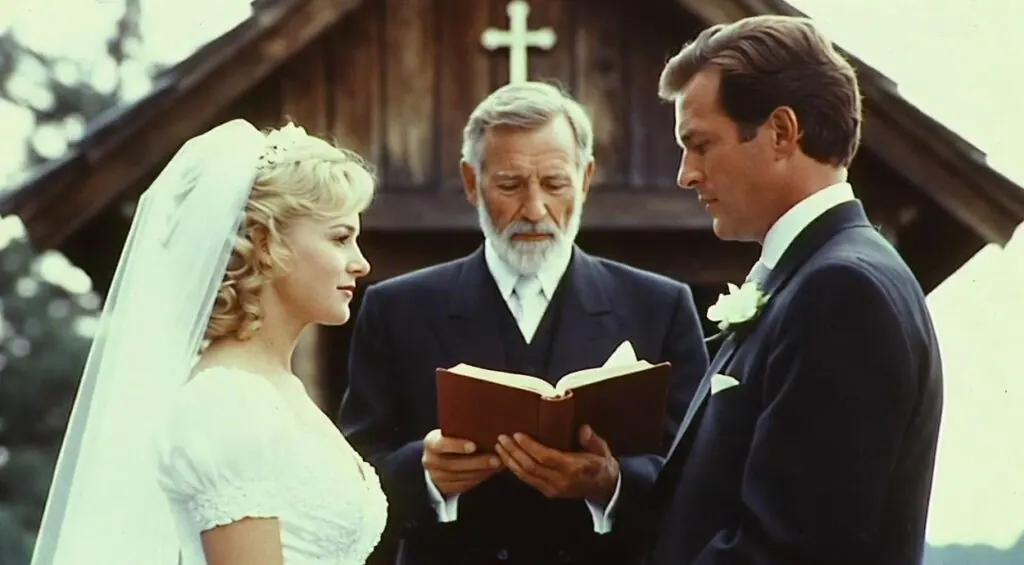
23. What was your wedding day like?
Not just the facts, but the feelings. What do they remember most vividly?
24. What were your early married years like?
The adjustment to partnership, the financial struggles or comforts, the learning curve these years shape lasting patterns.
25. How did you choose your career path?
Was it passion? Necessity? Accident? The honest answer reveals their relationship with work and ambition.
26. What was your first major setback, and how did you handle it?
Resilience is built in these moments. The story of how they recovered teaches more than success stories.
27. When did you first feel truly independent?
Financial, emotional, or geographic independence this milestone marks the transition to full adulthood.
28. What was the happiest period of your young adult life?
Asking directly about happiness often yields surprising answers and reveals what truly mattered to them.
29. What friendships from this period lasted? Why do you think they endured?
Lasting friendships reveal shared values and mutual investment.
30. What did you think you had figured out in your twenties that you later reconsidered?
Youthful certainty often gives way to nuanced understanding. These shifts reveal growth and wisdom.
Parenthood & Family Life (Questions 31-40)
31. How did you feel when you found out you were going to be a parent?
Joy? Terror? Both? These first reactions are often deeply honest.
32. What surprised you most about becoming a parent?
The gap between expectation and reality in parenting is always revealing and often humorous.
33. What values did you most want to instill in your children?
Intentional parenting choices reflect core beliefs and hopes.
34. What was your proudest moment as a parent?
Not achievements, but character moments when they saw their child show kindness, courage, integrity.
35. What was your biggest challenge as a parent?
Honest answers here build connection and understanding across generations.
36. How did your relationship with your own parents change after you became a parent?
Many people gain new appreciation (or different perspective) on their upbringing after having children.
37. What family traditions did you create or continue?
Traditions build identity and belonging. Which ones mattered enough to preserve or invent?
38. What was a typical family vacation like?
Vacation stories capture family dynamics, values around money and adventure, and cherished memories.
39. How did you balance work and family life?
This struggle is universal but looks different in every generation. Their answer reveals priorities and regrets.
40. What do you wish you had done differently as a parent?
This vulnerable question often yields wisdom that can benefit the next generation.

Career & Achievements (Questions 41-45)
41. What accomplishment are you most proud of professionally?
True achievement isn’t always measured in titles or money. Ask about impact and meaning.
42. Who was the most influential colleague or boss you had?
Workplace relationships teach us about leadership, integrity, and navigating complex social environments.
43. What was your biggest professional failure, and what did it teach you?
Failure stories build resilience in listeners and reveal character in the teller.
44. If you could redo your career, what would you change?
Regrets reveal values. What they wish they’d pursued tells you what truly mattered.
45. What advice would you give someone starting out in your field today?
Distilled wisdom from decades of experience this is gold for younger generations.
Reflection & Wisdom (Questions 46-50)
46. What belief have you held your entire life, and what belief has changed dramatically?
Growth and constancy both matter. This question reveals both.
47. What do you know now that you wish you’d known at 20?
Universal wisdom packaged in personal experience these answers resonate across generations.
48. What relationships have mattered most in your life?
Not just family or romance sometimes it’s a friend, a teacher, a neighbor who changed everything.
49. If you could tell your younger self one thing, what would it be?
Usually some version of “don’t worry so much” or “take more risks” but the specific version is uniquely theirs.
50. What do you hope your legacy will be?
This question looks forward. What do they want to be remembered for? What impact do they hope lasted?
Making the Most of Your Life Story Interview
You’ve asked the questions. You’ve captured hours of stories. Now what?
First, transcribe key sections. You don’t need to transcribe everything, but pull out the best stories, the wisest insights, the funniest moments.
Second, organize by theme. Group similar stories together all the childhood memories, all the career insights, all the relationship wisdom.
Third, create something tangible. Don’t let these recordings live on a hard drive somewhere. Print transcripts. Create a photo book with stories alongside family photos. Make a family website where stories are accessible to everyone.
Meminto makes this process simple. Answer questions at your own pace, upload photos, and receive a beautifully printed book that becomes a family treasure. No technical skills required. Just you and your stories.
One family I know created “memory boxes” for each of their children transcripts, photos, small mementos, all organized in a beautiful box they’ll receive when they turn 30. Another family created an annual tradition where they gather and listen to one recorded interview from a deceased family member, keeping their voice and stories alive.
The Real Value: Connection
Here’s what I’ve learned from hundreds of life story conversations: the questions matter less than the attention you give.
When you sit down with a loved one and truly listen no phone, no distractions, no rush you give them a gift. You’re saying: your life matters. Your experiences have value. Your wisdom deserves to be preserved.
My friend Tom recorded interviews with his father during the last year of his father’s life. His dad had been a man of few words for decades. But in these interviews, with patient questions and genuine interest, he opened up. He shared stories Tom had never heard. He expressed feelings he’d kept private for 50 years.
After his father passed, Tom said, “I thought I was doing this to preserve memories for my kids. But the real gift was getting to truly know my dad before it was too late.”
Don’t wait for a diagnosis or a milestone birthday. Start asking questions now. Your future self and your future family will thank you.
Get Started Today
Pick three questions from this list. Grab your phone’s voice recorder. Call a loved one or sit down with a family member. Just start.
You don’t need perfect questions or professional equipment. You just need curiosity and a willingness to listen.
The stories are waiting. All you have to do is ask.
Ready to preserve your family’s stories in a beautiful, lasting format? Start your Meminto journey today and create a legacy book that your family will treasure for generations.