



Memories are some of the most valuable things we carry. They shape how we see ourselves, remind us where we come from, and help us stay connected to the people and moments that matter most.
Some memories arrive uninvited. A song comes on, and suddenly you are back in your childhood bedroom. The smell of cookies pulls you into your grandmother’s kitchen. A photo on your phone opens a small door to a day you had almost forgotten.
Other memories need a little help. They stay tucked away until a place, a voice, or a simple question brings them back.
That is one reason memory work matters so much. Recalling meaningful moments is not only comforting. It is also the first step in preserving them. When old stories are captured and written down, they stop being fleeting thoughts and become something lasting. Tools like Meminto can help turn scattered memories into personal life stories you can keep and share with the people you love.
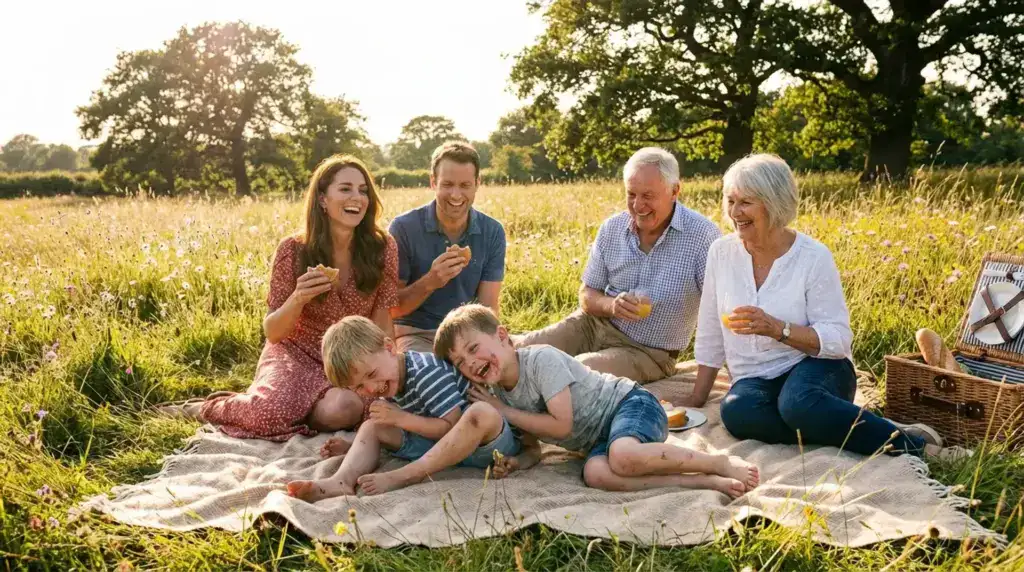
In this guide, we will look at 20 favorite memory examples, explore why these moments stay with us, and share practical ways to recall and preserve old memories before they fade.
Why Favorite Memories Matter
Favorite memories are more than sweet little snapshots from the past. They can bring comfort during hard seasons, help us reflect on how much we have grown, and strengthen the bond we feel with loved ones.
They also tell a story. A favorite memory is rarely just about a birthday, a vacation, or a school day. It is about what that moment meant. Maybe it was the first time you felt brave. Maybe it was the last holiday you spent with someone you miss. Maybe it was simply one of those ordinary days that turned out to be far more precious than you realized.
When you revisit your favorite memories, patterns start to appear. You notice what shaped you, what still moves you, and which moments deserve to be preserved. That is often where memory keeping becomes something bigger than nostalgia. It becomes a way of understanding your life.
20 Favorite Memory Examples
Not every cherished memory looks dramatic from the outside. In fact, many of the moments people treasure most are surprisingly simple. Here are 20 favorite memory examples that often stay vivid for years.
1. Your First Day of School
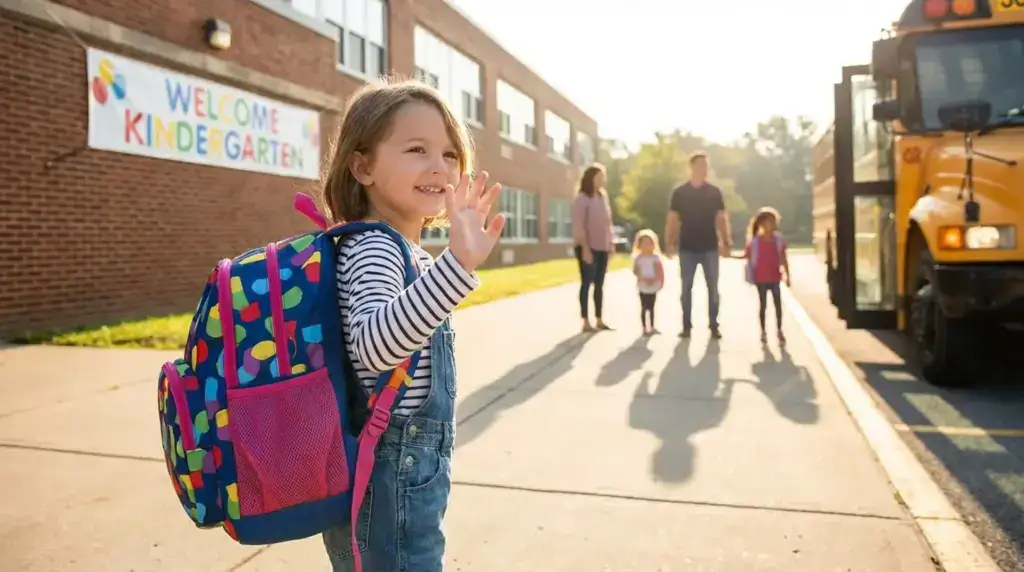
Few childhood memories stay as vivid as the first day of school. It is one of those moments when life suddenly feels larger than home, family, and familiar routines. Many people remember oddly specific details: a backpack that felt too big, new shoes that were not fully broken in, the smell of paper and pencils, or the effort to look brave while feeling anything but brave.
What makes this memory stick is the mix of emotion. There is curiosity, excitement, fear, and independence all packed into one day. It often becomes an emotional snapshot of growing up.
2. A Family Vacation
Family vacations have a strange talent for becoming bigger in memory than they were in real life. That is because people rarely remember them as polished, perfect experiences. They remember the long car rides, the wrong turns, the melting ice cream, the hotel room chaos, the beach towels, and the one moment that still makes everybody laugh.
These memories stay vivid because they combine people, place, routine changes, and strong emotion. Even a short weekend trip can become part of family mythology over time.
3. A Graduation or Major Milestone
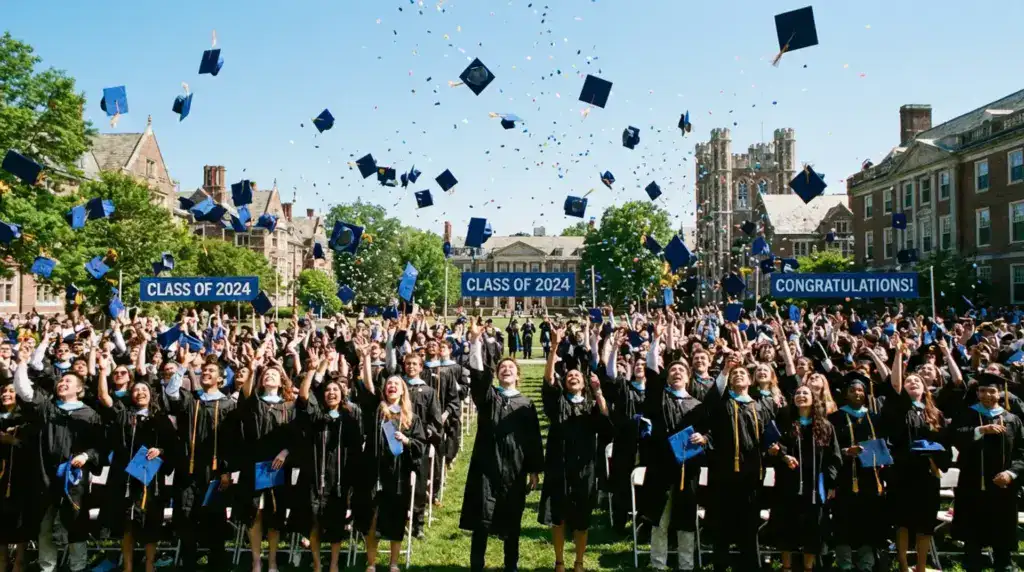
Graduations stay with us because they mark effort, change, and relief all at once. Whether it was high school, college, or another meaningful milestone, the moment often carries a strong sense of transition. You are not just celebrating what you finished. You are standing at the edge of what comes next.
Years later, many people still remember the ceremony, the faces in the crowd, the weather, the speech that went on a little too long, and the quiet pride underneath all the noise.
4. First Love
First love rarely leaves quietly. Whether it ended with butterflies, heartbreak, or both, it usually remains one of the most emotionally intense chapters in a person’s memory. It is often tied to songs, places, text messages, long walks, awkward conversations, and that unmistakable feeling that everything suddenly matters more than it did before.
Even when the relationship itself fades into the past, the emotional imprint can stay strong for decades.
5. The Birth of a Child or Sibling
Welcoming a new family member can change the emotional temperature of a life in an instant. The first cry, the tiny fingers, the exhausted smiles, the overwhelming tenderness, and even the nervous uncertainty all become part of the memory. These moments stay vivid because they often reshape how we understand love, responsibility, and family.
Even people who do not remember every detail often remember exactly how the moment felt.
6. Holiday Celebrations
Holiday memories are packed with sensory detail, which is one reason they tend to last. Lights, music, recipes, familiar voices, decorations, traditions, and the smell of food all work together to create moments that feel warm and timeless. A holiday celebration may seem routine in the moment, but years later it often becomes one of the memories people miss the most.
Sometimes what we treasure is not the holiday itself, but the people who made it feel like home.
7. Your First Job
A first job is usually about more than earning money. It is often a first taste of independence, responsibility, and self-confidence. People remember the nerves, the awkward introductions, the first paycheck, the mistakes, the strange uniforms, and the feeling of becoming a little more grown-up than they were the week before.
These memories stick because they often mark the beginning of a new kind of identity.
8. Childhood Friendships
There is something unusually bright about childhood friendships. The games felt serious, the adventures felt enormous, and the inside jokes felt important enough to carry the weight of the universe. Even when people lose touch, those early friendships often remain preserved in memory with surprising tenderness.
They remind us of who we were before life became more complicated.
9. A Meaningful Trip
Travel memories stay with us because they stretch our sense of the world. A quiet street in a city you had never seen before, a train ride through the countryside, a meal you still talk about years later, or a sunset that made everybody stop talking for once—these moments often feel larger than life.
Sometimes a meaningful trip changes your perspective. Sometimes it simply gives you a beautiful place to return to in your mind.
10. Learning to Ride a Bike
This is one of those classic memories for a reason. The wobble, the encouragement, the scraped knees, the fear, and then that sudden magical moment when balance clicks into place. It is not just a memory about a bike. It is a memory about confidence.
Many people remember exactly who was there, what street they were on, and the strange mix of panic and triumph that came with it.
11. Big Family Gatherings
Reunions, birthdays, shared meals, anniversaries, and long afternoons around a crowded table often become emotional anchor points in our lives. These gatherings remind us of belonging. They also preserve family rituals that may seem ordinary at the time but feel priceless later.
Often the strongest part of the memory is not one big event. It is the sound of conversation, the overlap of generations, and the sense that for a few hours, everyone was in the same place.
12. Learning to Drive
Learning to drive often feels like freedom with a side of panic. It is a milestone full of nerves, responsibility, and possibility. For many people, it marks the beginning of adulthood in a way that feels tangible and real.
The memory can be funny in hindsight: stalling the car, overthinking every turn, gripping the wheel too tightly, and feeling absurdly proud after parking successfully.
13. Winning an Award or Achieving a Goal
Recognition stays with us because it confirms effort. Whether it was a school prize, a sports victory, a career achievement, or a personal milestone, these moments often feel bigger than the trophy, certificate, or applause. They tell us that persistence led somewhere meaningful.
Even years later, people remember not only the achievement itself, but who believed in them along the way.
14. A Family Tradition
Some favorite memories are not tied to one dramatic moment. They are built quietly through repetition. Baking together every December, Sunday lunches, summer barbecues, movie nights, birthday rituals, or annual trips can become some of the most treasured parts of family life.
Traditions matter because they create rhythm. They help life feel rooted, and they often become the framework around which many other memories gather.
15. A Celebration in Your Honor
Birthday parties, graduation dinners, retirement celebrations, baby showers, and other moments in which people gather specifically for you can feel deeply moving. Being celebrated by others has a way of making love visible. It turns affection into something you can see, hear, and feel.
Even people who normally do not enjoy attention often remember these occasions with warmth later on.
16. A First Pet
People often remember a first pet with incredible tenderness. The excitement, the companionship, the funny habits, the routines, and the emotional bond all leave a lasting mark. A beloved animal can become part of a family story in a way that feels surprisingly profound.
These memories often carry a special mix of joy and innocence, especially when they are tied to childhood.
17. Watching Fireworks or a Public Celebration
Some memories feel almost cinematic. Fireworks, festivals, public celebrations, countdowns, parades, and shared cultural moments tend to stick because they combine emotion, spectacle, and the energy of being surrounded by other people.
The memory may center on the event itself, but it often stays alive because of who you were with, what was happening in your life, and how the moment made the world feel briefly larger and brighter.
18. A Wedding Day
Whether it was your own wedding or someone else’s, weddings are often memory-rich occasions. The anticipation, the music, the clothes, the vows, the nervous laughter, the happy tears, and the dancing all create layers of detail that tend to stay with people for years.
Even imperfect weddings often become treasured memories, because love has a way of making moments feel significant.
19. Moving Into Your First Home
A first apartment or house is never just a place. It often represents freedom, adulthood, risk, and the beginning of a new chapter. Many people remember the boxes on the floor, the empty rooms, the strange excitement of eating takeout among unpacked dishes, and the feeling that something in life had shifted.
These memories stay strong because they are tied to change and identity at the same time.
20. A School Dance, Prom, or Formal Event
School dances, proms, and formal events often become emotional time capsules. The outfits, the photos, the awkwardness, the excitement, the overthinking, and the feeling that something important is ending or beginning all give these memories their staying power.
Even when the evening was not perfect, it often becomes one of those moments people revisit later with surprising affection.
Why Some Memories Stay So Vivid
Not every event becomes a favorite memory. Usually, the moments that last have a few things in common. They carry strong emotion. They involve people we love. They mark a first, a last, or a turning point. They engage our senses. And they tell us something about who we are.
That is why the smell of sunscreen can bring back a childhood summer in seconds, or a song from your teenage years can open a floodgate you did not expect. Memory is emotional, sensory, and deeply human.
It is also selective. We do not remember everything equally. We remember what mattered, what changed us, what surprised us, and what connected us to other people.
How to Recall Old Memories
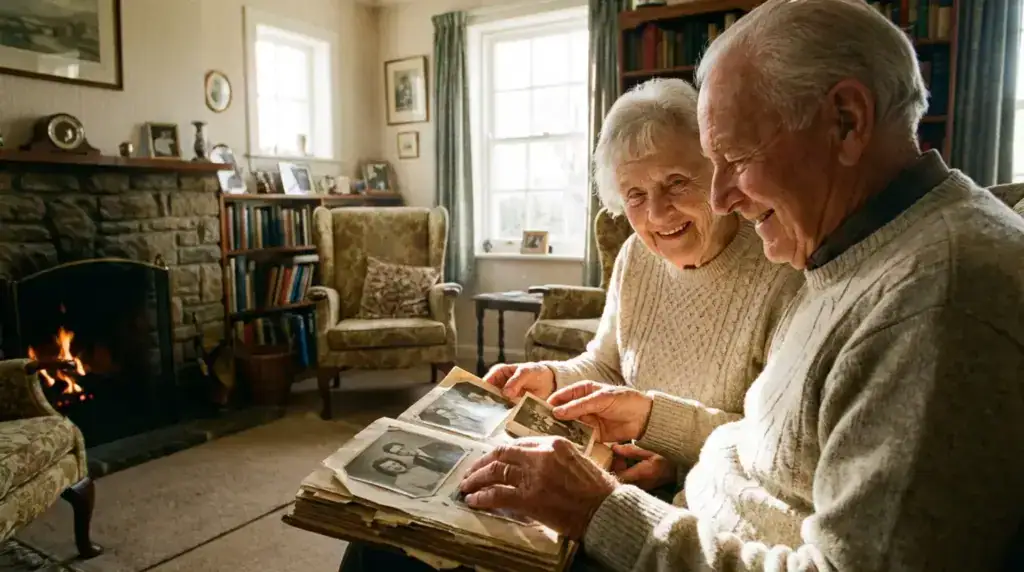
Sometimes favorite memories are easy to reach. Other times they feel foggy, like they are standing just behind a curtain. The good news is that memories can often be gently invited back. You do not need a dramatic breakthrough. You just need the right trigger.
Start With Photos
Old photo albums, printed pictures, and even your phone gallery can be powerful memory starters. A single image often brings back details you did not realize were still there, like what someone was wearing, what the weather felt like, or what happened right after the photo was taken.
Use Music From Specific Years
Songs are memory magnets. A track from high school, college, or your early twenties can transport you within seconds. If you want to recall old memories, try building a playlist from one phase of life and pay attention to what comes back.
Follow Your Senses
Smell is especially powerful when it comes to memory. Perfume, old books, sunscreen, fresh grass, soap, baking cookies, or the smell of rain can all unlock moments from the past. Taste and touch can work the same way.
Visit Meaningful Places
If possible, go back to a place that mattered to you. A childhood neighborhood, a school, a park, a family home, or even a café can stir details that have been quietly resting for years.
Revisit Old Objects
Letters, postcards, recipe cards, trophies, concert tickets, souvenirs, school reports, and handwritten notes are not just objects. They are memory containers. Hold them, read them, and give yourself a little time.
Talk to Family and Old Friends
Conversation often wakes up memory. Someone else may mention a detail you had forgotten completely. One story leads to another, and before long, you may remember things you thought were gone.
Read Old Journals, Yearbooks, or Notes
Written records are small bridges back in time. Even a few lines written years ago can reactivate an entire emotional landscape.
Recreate Old Experiences
Cook a family recipe. Rewatch a film you loved. Read a childhood book. Play an old board game. Wear a familiar scent. Recreating part of a past experience can help your mind reconnect the dots.
Spend Quiet Time Reflecting
Some memories need less stimulation, not more. Sit in a calm place with a notebook and choose one theme such as birthdays, childhood summers, holidays, friendships, or family traditions. Then write whatever comes, even if it starts small.
Questions That Help You Remember More
When memory feels stuck, prompts can help. They give the mind a place to start instead of asking it to retrieve everything at once.
- What did your childhood bedroom look like?
- What meal instantly reminds you of home?
- Who made you laugh the most when you were young?
- What sound reminds you of school?
- Which holiday felt magical as a child?
- What trip do you still think about years later?
- What ordinary moment from your past now feels precious?
- Which person shaped your life in a quiet but important way?
- What object from your past would tell a story if it could talk?
- What is one memory you never want your family to forget?
These questions are simple, but they work. They help your brain search by place, emotion, person, and sensory detail instead of trying to force a memory all at once.
What to Do When Memories Come Back
When old memories return, do not rush past them. Capture them.
Write them down in your own words. Record a voice note. Share the story with a family member. Add the memory to a journal. Save the photo that triggered it and write a caption underneath. Memory is delicate. A beautiful recollection can feel vivid today and blurry again a week later. Recording it gives it a home.
This is exactly where guided storytelling can make a real difference. Instead of leaving memories scattered across notebooks, conversations, and camera rolls, Meminto helps people gather personal stories in one place and turn them into something lasting. A memory does not have to stay a passing thought. It can become part of a meaningful book of life stories, moments, and family history.
How to Preserve Favorite Memories for the Future
Favorite memories deserve more than a quick smile before they drift back into the background. Preserving them gives them a second life.
You can do that in simple ways. Keep a memory journal. Label family photos. Record stories in audio form. Ask parents or grandparents memory-based questions. Save letters, recipes, and little personal artifacts that hold meaning.
But for many people, the hardest part is not wanting to preserve memories. It is knowing how to begin and how to stay consistent. That is where a structured approach helps.
Meminto makes the process easier by guiding people through their memories with thoughtful questions and helping them turn those answers into a personal book. Instead of wondering where to start, you get a clear path. Instead of hoping stories will be remembered later, you can preserve them now.
If you are interested in saving stories in a more intentional way, it also helps to explore practical ideas for how to document your memories. And if you want inspiration for why looking back can be so meaningful, this article on why a trip down memory lane is good for you is a natural next read.
Why Preserving Memories Matters for Families
There is another reason memory work matters. Preserved memories become a gift to other people. A story you tell today may become part of your family’s identity tomorrow. The small details you think are ordinary may be the exact details your children or grandchildren treasure later.
That is why memory preservation is not only personal. It is relational. It helps people feel connected across generations. It allows family stories to survive changes, losses, and time itself.
What feels familiar to you now may someday be precious family history. That is worth protecting.
Final Thoughts
Favorite memories are often hidden in plain sight. They live in old photos, familiar songs, handwritten notes, recipes, places, and conversations. Some are easy to name. Others need a little patience before they rise to the surface.
But they are worth the effort.
Every remembered story adds depth to a life. Every recalled moment reconnects us with something real. And every preserved memory becomes a gift, not just to ourselves, but to the people who come after us.
So start small. Pick one photo. One song. One question. One story.
And if you want a simple way to turn those stories into something lasting, Meminto can help you transform meaningful memories into a book you and your family can keep for years to come.
FAQ About Memories and Meminto
What is Meminto?
Meminto is a tool that helps people capture, organize, and preserve personal memories and life stories. Instead of letting meaningful moments stay scattered across photos, notes, and conversations, Meminto helps turn them into something lasting, such as a personal memory book.
How can Meminto help me preserve old memories?
Meminto helps by guiding you with thoughtful prompts and questions, making it easier to recall experiences you may not have written down yet. Once your memories are captured, they can be turned into a structured and meaningful keepsake instead of staying as loose fragments.
Do I need to be a good writer to use Meminto?
No. That is one of the biggest advantages. Many people want to preserve memories but feel overwhelmed by the idea of writing a whole life story from scratch. Meminto makes the process easier by helping you answer one question at a time.
What kinds of memories can I save with Meminto?
You can preserve many different kinds of memories, including childhood stories, family traditions, travel experiences, love stories, milestone moments, funny everyday memories, and reflections about important people in your life.
Is Meminto only for older people or grandparents?
No. Meminto is useful for anyone who wants to preserve meaningful stories. Grandparents may use it to document family history, but younger adults, parents, and even couples can use it to save memories before they fade.
Can Meminto help me create a memory book for my family?
Yes. One of the most meaningful uses of Meminto is turning personal stories and memories into a book that can be shared with family members. That makes your memories easier to revisit and pass on to future generations.
What if I only remember small details and not whole stories?
That is completely normal. Memories often return in fragments first. A smell, a photo, a place, or a simple detail can lead to a much bigger story over time. Meminto’s guided structure can help you build from those small details instead of waiting for a perfect memory to appear all at once.
Why should I preserve memories now instead of later?
Because memories change over time. Details fade, people pass away, and family stories can get lost faster than most of us expect. Preserving memories now gives them a safer place to live and makes sure they are still there for the people who matter most.