




Writing about trauma can be a powerful way to heal, especially with the guidance of a therapist. Here’s how therapists help make the process safe and effective:
- Emotional Release: Therapists encourage free writing or voice recordings to help clients express their feelings without judgment.
- Structured Narratives: They guide clients to build their trauma story step-by-step – starting with facts, adding emotions, and reflecting on meaning.
- Tailored Methods: Tools like speech-to-text software, guided prompts, and collaborative writing ensure the process fits the client’s needs.
- Safety Measures: Therapists prioritize trust, minimize distress, and sometimes involve family for extra support.
Digital tools like Meminto Stories ($99) enhance this process by offering features like AI-powered speech-to-text and weekly prompts, making trauma writing more accessible and collaborative. With the right support, storytelling becomes a path to recovery and personal growth.
Methods Therapists Use for Trauma Writing

Free Writing for Emotional Release
Free writing exercises encourage clients to express their emotions freely, without worrying about grammar or structure. This approach allows for an open release of difficult feelings. For those who find traditional writing challenging, voice recordings can serve as an alternative way to express themselves.
After this emotional release, therapists help clients organize their thoughts and experiences into more structured narratives.
Building the Trauma Story
Once emotions have been expressed, the next step is to create a structured narrative of the trauma. This involves breaking the story into three key components:
- Basic Facts: Begin with the objective details of the event.
- Emotional Layer: Add personal feelings and reactions to the experience.
- Meaning Making: Reflect on the event’s impact and what can be learned from it.
Therapists use guided questions to help clients shape their narratives while ensuring they remain in control of their story.
Alternative Writing Methods
To make the process more approachable, therapists use different techniques tailored to the client’s needs:
| Writing Method | Purpose | Application |
|---|---|---|
| Voice Recording | Lowers barriers to writing | Transforms spoken thoughts into written text |
| Guided Prompts | Adds structure | Uses specific prompts to explore experiences |
| Collaborative Writing | Provides support | Therapist and client work together on the narrative |
For instance, tools like Meminto Stories can convert voice recordings into written text, making it easier for clients to articulate their thoughts. These methods allow therapists to adapt the process to each individual, ensuring it feels safe and supportive for healing.
Safety Measures During Trauma Writing
Building Trust with Clients
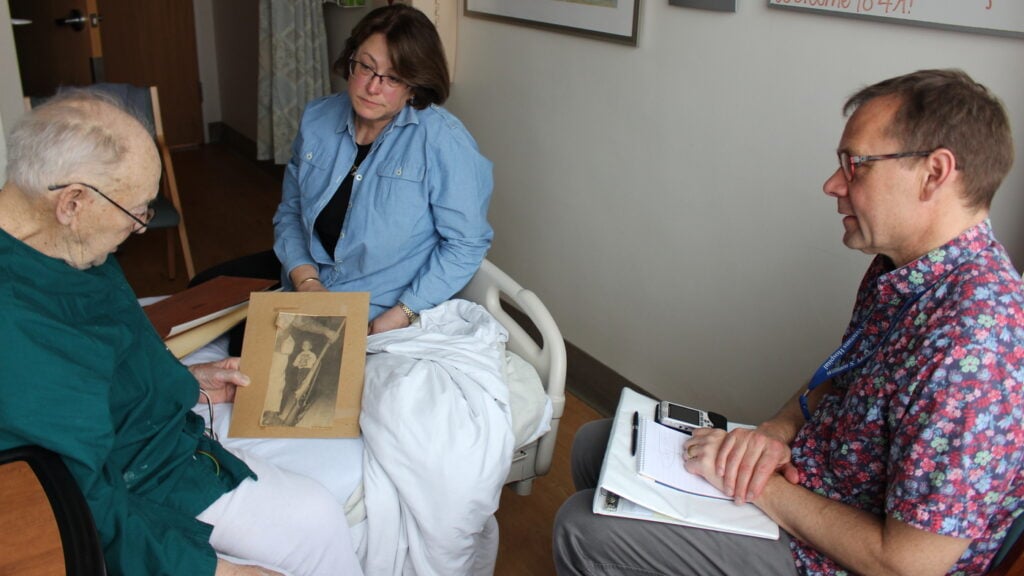
In trauma writing, therapists prioritize creating a trusting relationship with their clients. They often use guided storytelling techniques, allowing clients to explore their experiences at their own pace. Structured prompts, like those used by Meminto Stories, can help clients feel more in control. As Meminto highlights:
Well-told life stories depend on asking the right questions.
This method ensures clients feel supported and empowered, setting a solid foundation for the healing process while minimizing potential emotional risks.
Minimizing Emotional Distress
Once trust is established, therapists focus on strategies to reduce emotional distress during trauma writing. Tools like speech-to-text software make the process more accessible and less daunting. Additionally, involving trusted family or friends in the storytelling journey can provide extra emotional support, fostering a safer and more comforting environment.
Writing Tools and Support Systems
Writing Prompts and Structure
Structured writing prompts serve as a helpful tool alongside therapist-guided techniques, making it easier for clients to work through trauma step by step. Digital tools simplify overwhelming experiences by breaking them into smaller, easier-to-handle sections. These tools are designed to complement therapeutic methods, ensuring a seamless approach to trauma-focused writing.
Meminto Stories for Trauma Writing
Meminto Stories takes digital support a step further by offering features that make trauma writing less daunting. Its AI-driven speech-to-text tool allows users to speak their thoughts naturally, easing the pressure of writing.
The platform also encourages collaboration, which can amplify the healing process. As Lauren from Orlando shares:
“With my family, the experience became even more meaningful”
This collaborative element benefits therapists by enabling them to:
- Guide clients through structured storytelling prompts
- Encourage family involvement in the storytelling process
- Use weekly prompts to keep the pace steady and manageable
Meminto Stories is designed with accessibility in mind, featuring an interface that’s easy for older adults to navigate. Clients can also enrich their narratives by adding photos, audio clips, and videos, creating a more engaging and therapeutic experience.
sbb-itb-e3574dd
Therapists Are Using Creative Writing to Treat Complex PTSD …
Conclusion: Steps Toward Recovery
Writing about trauma can feel overwhelming, but with professional help and the right digital tools, it becomes more approachable. Digital platforms like Meminto Stories play a key role in this process. With features like AI-powered speech-to-text conversion and structured prompts, the platform supports guided storytelling at an affordable price (US$99). These tools work hand-in-hand with therapists, who provide essential guidance throughout the healing journey.
The impact of combining professional support with user-friendly tools is clear in personal testimonials. Anja, 54, shared her experience:
“I felt well taken care of by Meminto. They made me feel like my project was just as important to them as it was to me. I am proud to finally hold my book in my hand. It brings me joy and satisfaction, and I can cross it off my bucket list.”
Healing through writing takes courage and the right resources. By using approaches like free writing and structured narratives, individuals can safely process their experiences with professional oversight. Meminto’s collaborative features also allow family members to participate, creating a supportive environment that strengthens the healing process.
When professional guidance is paired with accessible tools, storytelling becomes a powerful way to process trauma. This combination helps individuals transform their experiences into meaningful steps toward recovery and personal growth.
FAQs
How do therapists help clients safely write about their trauma?
Therapists play a crucial role in ensuring that writing about trauma is a safe and supportive process. They provide emotional guidance, helping clients process difficult memories at their own pace. This often involves creating a secure and non-judgmental environment where individuals feel comfortable expressing their thoughts and feelings.
Therapists may use specific techniques, such as guided journaling prompts or mindfulness exercises, to help clients structure their writing and manage overwhelming emotions. By offering tools to navigate these experiences, therapists enable clients to reflect on their trauma in a way that promotes healing and personal growth.
How can digital tools like Meminto Stories help with writing about trauma, and what benefits do they offer in the healing process?
Digital tools like Meminto Stories provide a supportive platform for individuals to explore and document their trauma through writing. With guided prompts and AI-powered speech-to-text features, users can express their thoughts and emotions in a structured and accessible way, making the process less overwhelming.
By transforming these personal stories into beautifully customized hardcover books, Meminto Stories offers a tangible and meaningful way to reflect on experiences, fostering both healing and self-discovery. The platform’s flexibility also allows users to approach their trauma at their own pace, creating a safe space for emotional growth.
Can involving family in trauma writing help with healing, and how do therapists support this process?
Yes, involving family in the trauma writing process can enhance healing by fostering understanding, empathy, and connection. Therapists may encourage family participation through collaborative storytelling, where individuals share their experiences in a safe and guided setting. This can help family members better understand the impact of trauma and offer emotional support.
Therapists often provide techniques to ensure the process remains constructive, such as setting boundaries, using prompts to guide discussions, and addressing any emotional challenges that arise. This approach helps create a supportive environment where both the individual and their family can grow and heal together.