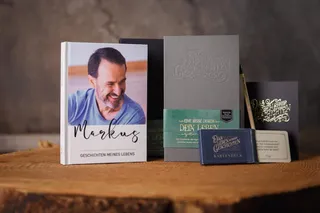
10 Easy-to-Use Websites to Make a Book


The easiest website to make a book depends on what “make” means for your project. For a personal story, guided prompts can remove the blank-page problem. For a photo book, an editor and print preview matter most. For a novel or ebook, drafting, formatting, and export tools matter more than a template gallery.
Choose a platform by the job it needs to do.
| If you want to… | Start with… |
|---|---|
| Tell a life story with help getting started | Meminto Stories |
| Design a photo book or visual print book | Blurb |
| Print or distribute a self-published book | Lulu |
| Make a multimedia book with students or children | Book Creator |
| Create a comic without drawing from scratch | Pixton |
| Draft a long manuscript | Scrivener or Google Docs |
| Format an ebook or print-ready manuscript | Vellum, Atticus, or Reedsy Studio |
Before paying, check the provider’s current pricing, file ownership, print formats, shipping, and export options. Those details change more often than a product page can reliably promise.
The 10 websites at a glance.
- Meminto Stories — guided prompts and voice or typed answers for a personal story that becomes a hardcover book.
- Blurb — flexible tools for photo books, trade books, magazines, and print-on-demand projects.
- Lulu — publishing and print-on-demand options for authors who need distribution choices.
- Book Creator — a multimedia-friendly editor for text, pictures, audio, and video.
- Pixton — a drag-and-drop option for comics and visual stories.
- Scrivener — manuscript planning and drafting software for complex writing projects.
- Vellum — Mac-focused ebook and print formatting.
- Atticus — browser-based drafting and formatting for print-ready and ebook files.
- Reedsy Studio — browser-based writing, collaboration, and export tools.
- Google Docs — familiar collaborative drafting with common export formats.
Guided personal-story platforms.
Meminto Stories.
Meminto Stories is designed for people who want help gathering a life story, family history, or memoir. Prompts create a manageable starting point, and contributors can answer by typing or voice before their material is prepared as a printed book. It is a better fit for a guided keepsake than for a commercial novel or a heavily art-directed photo book.
Design and print platforms.
Blurb.
Blurb is useful when the page design is part of the project: photo books, cookbooks, portfolios, magazines, or trade books. Its tools give you more layout control than a guided memory service, so expect to spend more time arranging pages and preparing images.
Lulu.
Lulu is a practical option for authors exploring print-on-demand and distribution. It is worth comparing trim sizes, printing choices, distribution terms, and proof-copy options before deciding whether it fits a one-off personal project or a book intended for sale.
Book Creator and Pixton.
Book Creator works well for multimedia storytelling and classroom projects. Pixton is the more focused choice when the story is a comic and a visual scene builder is more useful than a blank document.
Writing and formatting platforms.
Scrivener and Google Docs.
Scrivener is made for long projects that need research folders, scenes, and a flexible manuscript structure. Google Docs is often the simplest shared drafting space, especially when several people need to comment on or edit the same text.
Vellum, Atticus, and Reedsy Studio.
These tools are primarily about turning a finished manuscript into a clean reading file or print-ready layout. Vellum is aimed at Mac users; Atticus and Reedsy Studio are browser-based choices. Compare the export formats you need before you commit.
A simple way to decide.
Choose the platform that makes the next real step easiest. Use guided prompts if the story has not been written yet. Use a design editor if images and layout are central. Use a manuscript tool if you need to write and revise at length. Use a formatting or print-on-demand service only after you know how the finished book needs to be shared.
If your project is a personal story rather than a general publishing project, see how a guided life story book works before choosing a tool built for commercial self-publishing.