50 Questions to Ask Someone Who is Dying About Their Life


If someone you love is dying, you do not need to find perfect words or ask every question on this list. A conversation can begin with one gentle invitation, a shared photograph, or simply being together. Let the person lead, accept “not today” without explanation, and stop whenever they are tired or would rather talk about something else.
50 gentle questions about a life
Childhood and early life
- What is a childhood memory you enjoy returning to?
- Who made you feel safe or understood when you were young?
- What did an ordinary day at home look like when you were a child?
- What game, place, or activity did you love most?
- What family saying, recipe, song, or tradition do you remember?
- What did you hope to become when you grew up?
- What lesson from a parent, caregiver, or teacher stayed with you?
- Is there a story about your hometown that you would like us to remember?
Love, friendship, and belonging
- How did you meet people who became important in your life?
- What made a friendship feel lasting to you?
- What is a kind thing someone did that you never forgot?
- Is there a family tradition you hope continues?
- What have you learned about love?
- What made you laugh most with the people close to you?
- Is there a holiday, meal, or gathering you would like us to recreate someday?
- What does home mean to you?

Work, purpose, and contribution
- What work or activity made you feel useful or proud?
- Who taught you something important about doing good work?
- What challenge changed the way you see yourself?
- What achievement would you like your family to know about?
- When did you feel most like yourself?
- What cause, community, or place mattered to you?
- What skill do you hope someone else in the family will carry forward?
- Is there a decision you made that set your life on a new path?
Everyday joys
- What simple thing reliably made a day better?
- Which meal, smell, or song brings back a happy memory?
- What place made you feel peaceful?
- What did you enjoy doing when no one was asking anything of you?
- What made you laugh so hard you still remember it?
- What was a favorite way to spend time with family or friends?
- Which season felt most like you, and why?
- What small luxury or comfort did you appreciate?
Values and wisdom
- What do you hope the people you love understand about you?
- What value helped you through hard times?
- What would you tell a younger member of the family about being kind to themselves?
- What have you come to appreciate more as you have grown older?
- What is something you wish people asked you about more often?
- What do you want us to keep doing as a family?
- What do you hope we will forgive ourselves for?
- What would you like to say thank you for?
- Is there a story that explains an important choice you made?
- What do you hope people remember about the way you treated them?
Messages for the people you love
- Is there a message you would like each person to hear from you?
- What do you want your children, grandchildren, or chosen family to know about where they come from?
- Are there photographs or objects whose stories you want to tell?
- Is there a favorite poem, prayer, saying, or song you would like shared?
- What would you like us to celebrate when we think of you?
- Is there someone you would like help contacting or thanking?
- What feels important to say today, if anything?
- Would you like quiet company instead of questions right now?
How to ask with care
Ask permission, then make space
A simple “Would you like to talk about this?” gives the person a real choice. One question is enough. Silence, tears, changing the subject, or a brief answer are all valid responses.
Keep the conversation on their terms
Avoid treating the moment like an interview or a task to complete. Follow what they offer, listen more than you speak, and do not press for stories about pain, regret, faith, family conflict, or anything else they do not want to share.
Use a familiar prompt when words feel hard
A photograph, recipe card, song, or object can make a conversation feel less formal. You might ask, “What would you like me to know about this?” rather than opening with a large question.

Take care of practical wishes separately
Questions about medical care, legal documents, finances, or funeral arrangements can be important, but they are different from life-story conversations. If those topics are needed, choose a calm time, ask whether they want support, and involve appropriate professionals or trusted people when necessary.
After a conversation
Write down a few words only if the person is comfortable with it. Ask whether they would like a recording, whether it should be shared, and who should keep it. Consent, privacy, and rest matter more than creating a complete record.
If you are grieving already, you are allowed to be a family member rather than a documentarian. There may be no more questions today. Being present can be enough.
A quiet way to keep stories
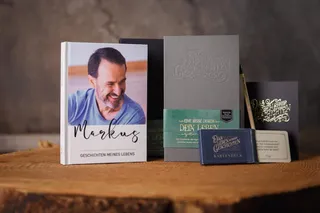
If the person wants to share stories over time, a Memorial Book can offer a private structure for collecting them with family. There is no deadline inherent in a meaningful conversation; use only what feels welcome and leave the rest alone.